The Art of Serenity

Menla Mountain Retreat
Nature Strikes the Perfect Balance
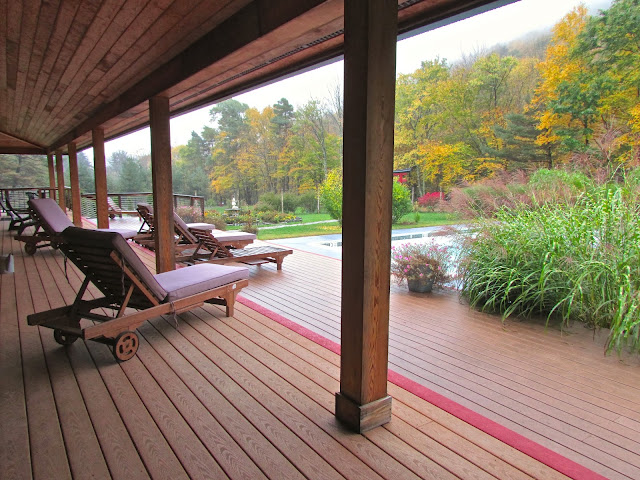
Imagine being in a place where your mobile service is deemed “unavailable” for the most time, and there is unlimited access to the rest of the world via the media, or internet. And guess what? It is all A-ok with you. Many such places exist around the world. How marvelous that this type of place exists just a few hours away from Manhattan, and that the experience left me with memories that are ones of the sweetest kind. Menla Mountain Retreat & Conference Center sits on 320 acres in the very heart of the Catskill Mountains of Upstate New York. It is a serene place where you can relax, enjoy your privacy, get in touch with nature and reflect on the importance of a peaceful and meaningful life. The facilities surrounding this retreat are also a place where one can hold their conferences, enjoy a variety of workshops that are convened by Tibet House USA. Menla is a seriously beautiful place that is well known for its Wellness Spa which incorporates Tibetan, Aryuvedic and Western healing arts.
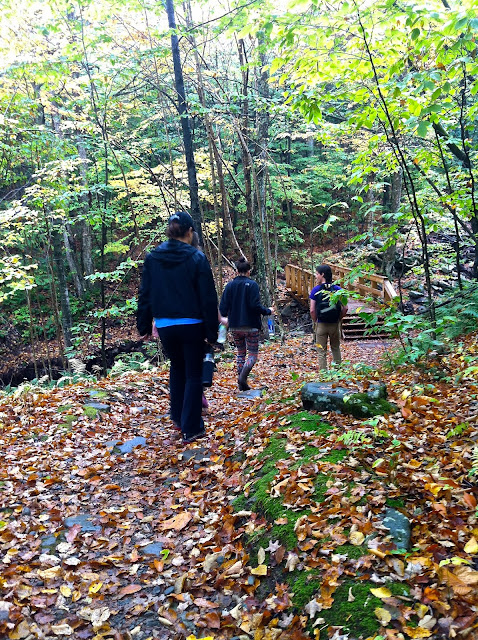
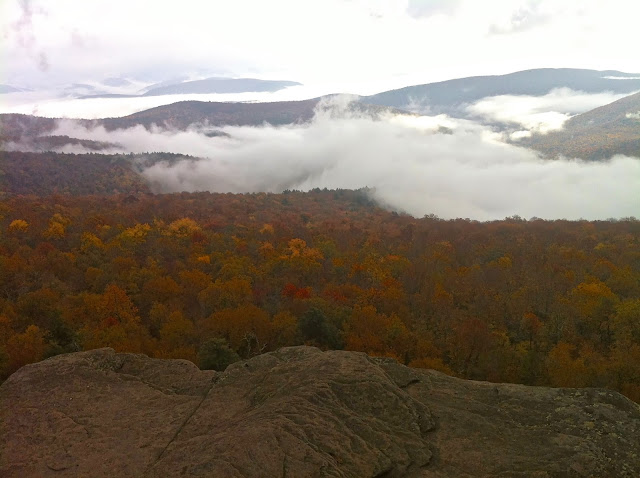
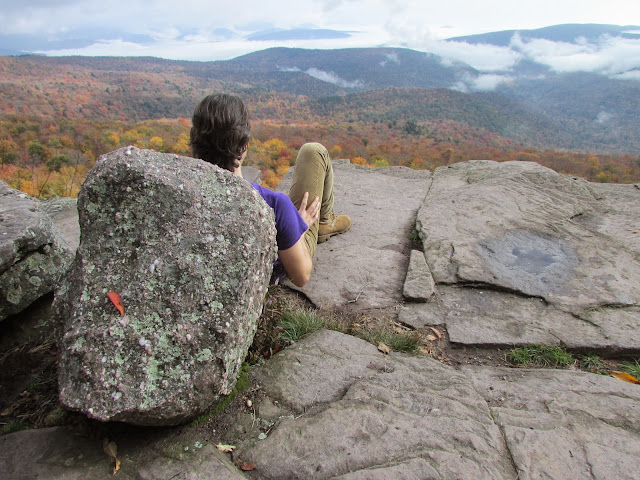
This quiet and engaging place offers a variety of activities that make up the perfect recipe for an unforgettable weekend of R&R. During my visit, approximately three weeks ago, I indulged in the services of their superb, and beautifully designed spa by famed interior designer and architect, Clodagh. The retreat, which is owned by Robert and Nena Thurman, provides several incredible hiking tours to the impressive Giant Ledge-Panther-Fox Hollow Trail. They have a Yoga Studio, various wellness activities and let us not forget some of the most delicious, vegetarian food in the east side. The facility and surroundings are immensely serene, and it was truly magnificent to witness nature striking the perfect chord, as I enjoyed a weekend getaway that is sure to command many returns and lots of happy memories. 
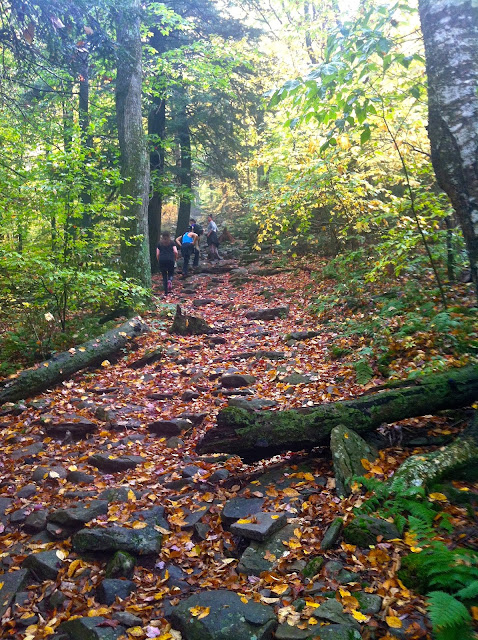
Hiking


The Wellness Center


Robert Thurman, Clodagh, and Nena Thurman


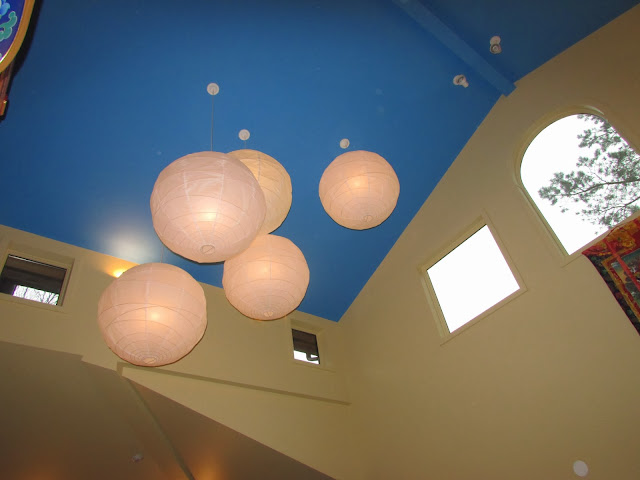
The Conference Center at Menla
Healthy & Fine Cuisine
Menla’s Chef
Thank you Andrew Joseph for inviting me to one of the most beautiful places on earth
Interior Designer, Clodagh chatting with the press and the Menla chef
Shopping
Mahasukha Spa
Getting ready for my spa appointments
Exquisite details of an ancient Tibetan silk textile
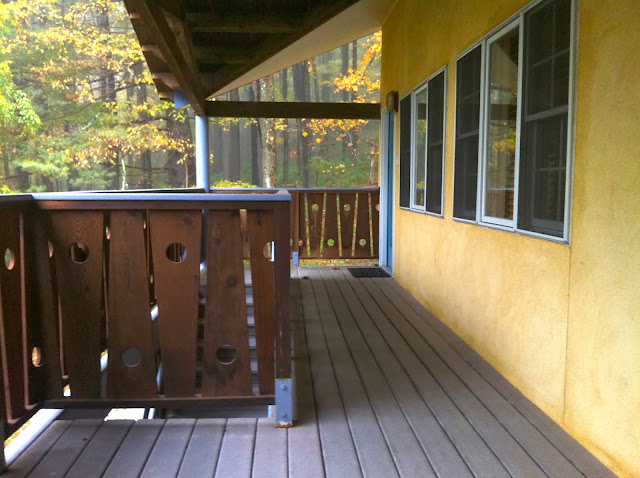
Lodgings


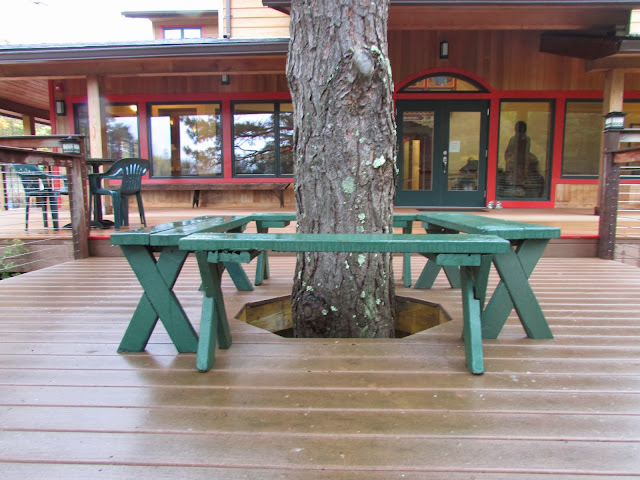
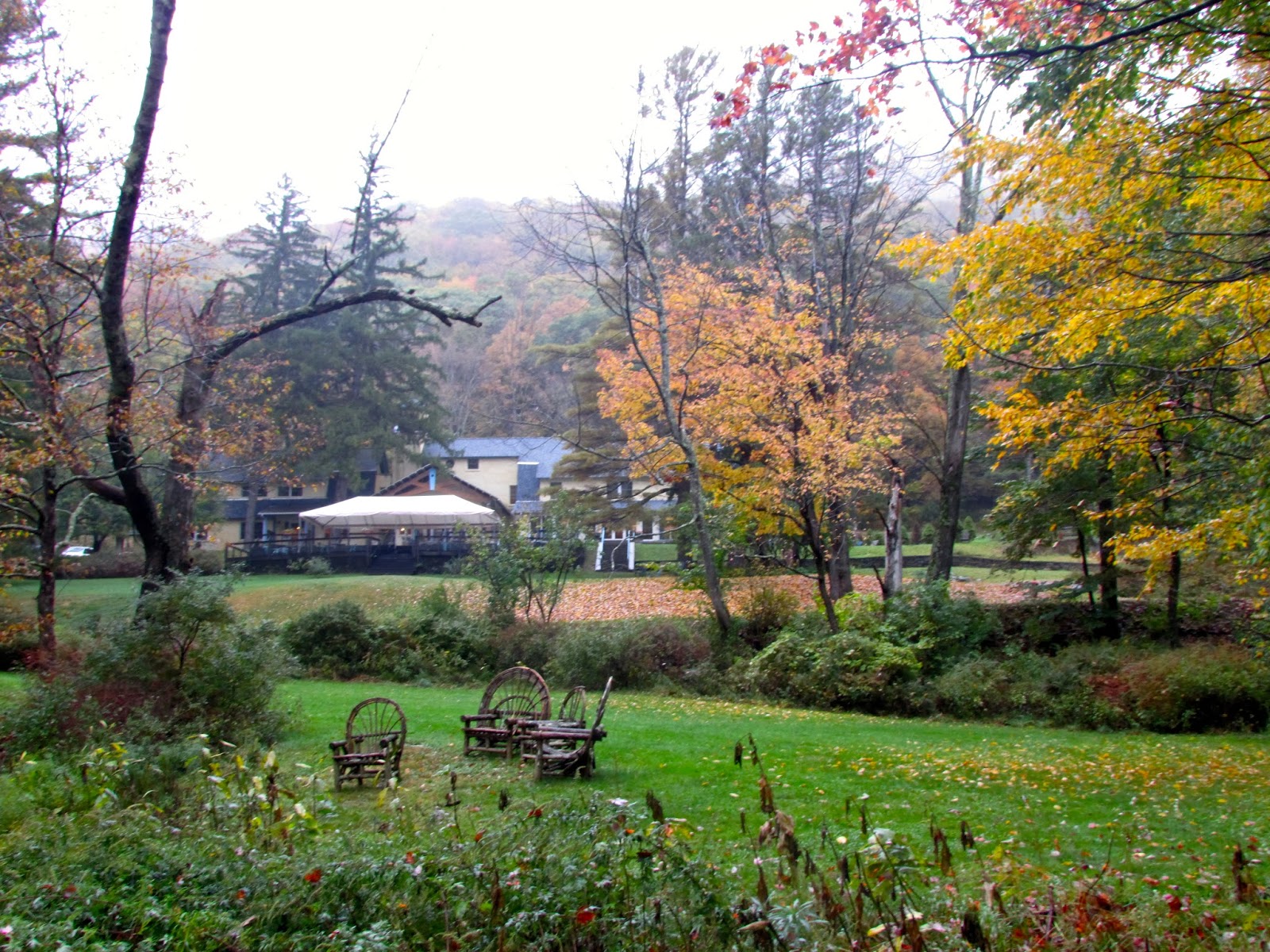
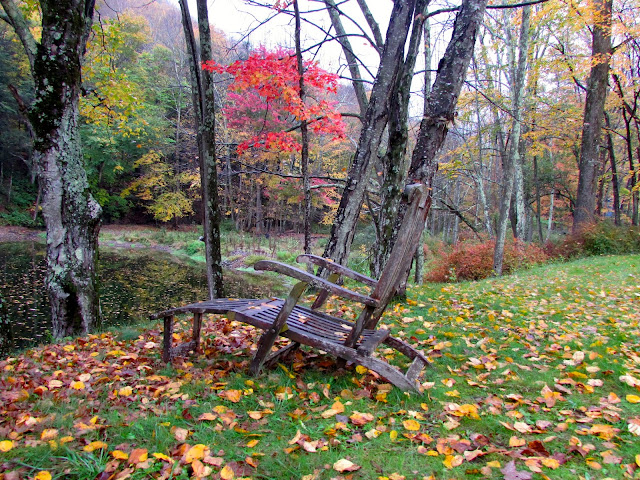
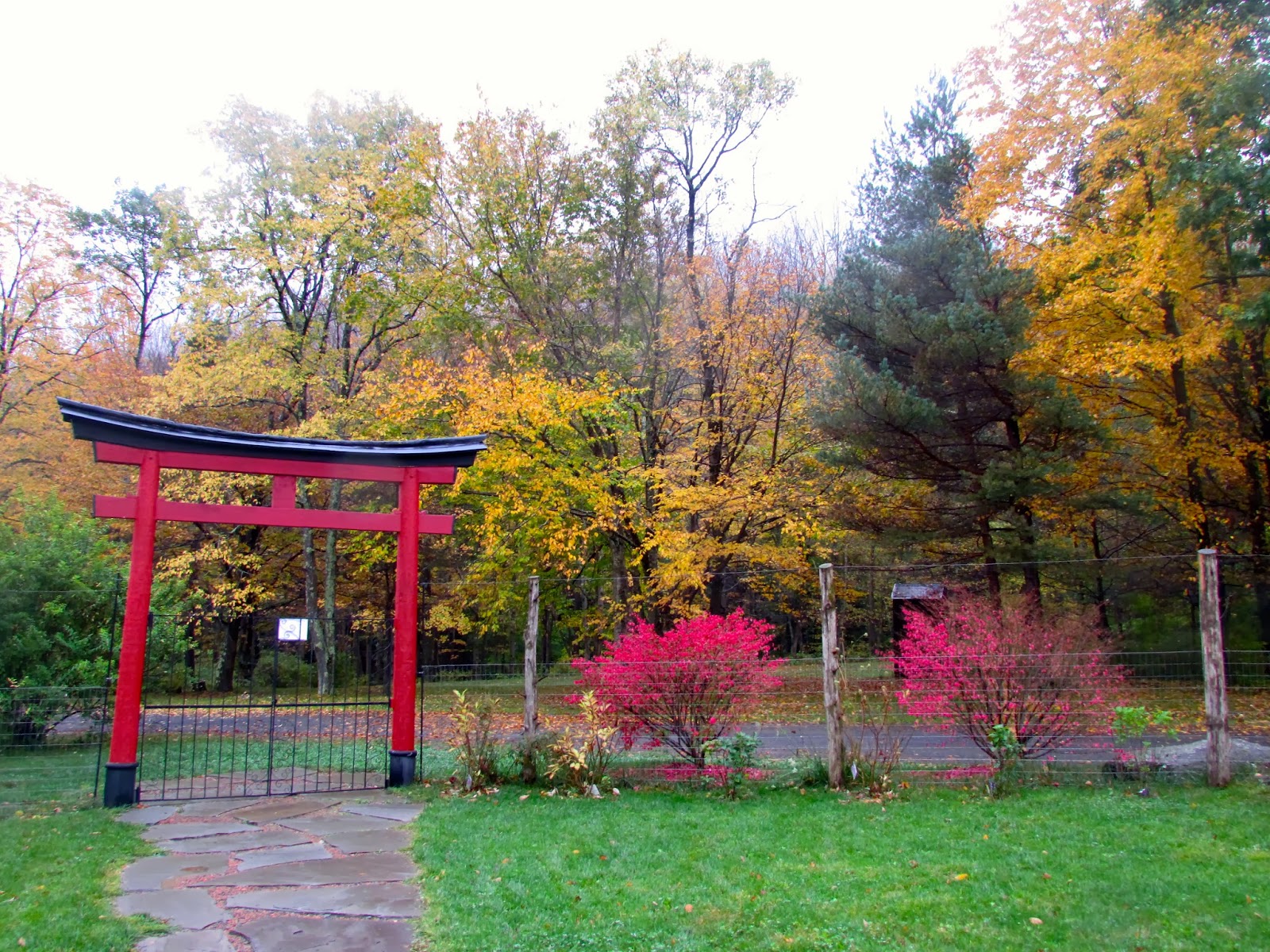
The Grounds


Images by High End Weekly™
All rights reserved

Exploring The Grounds of A Modern Master

Musée Rodin dedicated to the works of the French sculptor, Auguste Rodin

Magnificently Rebellious

Once again, our french correspondent, Sarah Boutinon Tharse takes us to a place that all of us long to be – a splendid garden in central Paris. To be more exact, it’s the Musée Rodin located at 79 Rue de Varenne 75007 Paris, France. We highly recommend this particular museum whenever you visit the city of lights. It’s not as mainstream as The Louvre or Musée d’Orsay, but if you love sculptures, and beautifully manicured gardens, this is the one for you. Auguste Rodin was one of the original rebels in Paris. Why do we say that? “[He’s] original work departed from traditional themes of mythology and allegory, modeled the human body with realism, and celebrated individual character and physicality. [He] was sensitive to the controversy surrounding his work, but refused to change his style”. The museum boasts an impressive collection of 6,600 sculptures, 8,000 drawings, 8,000 old photographs and 7,000 objets d’art. And believe me, that is a lot to love!


All images courtesy Sarah Boutinon-Tharse
All rights reserved

Greetings from The South of France

Abbaye de Senangue, France
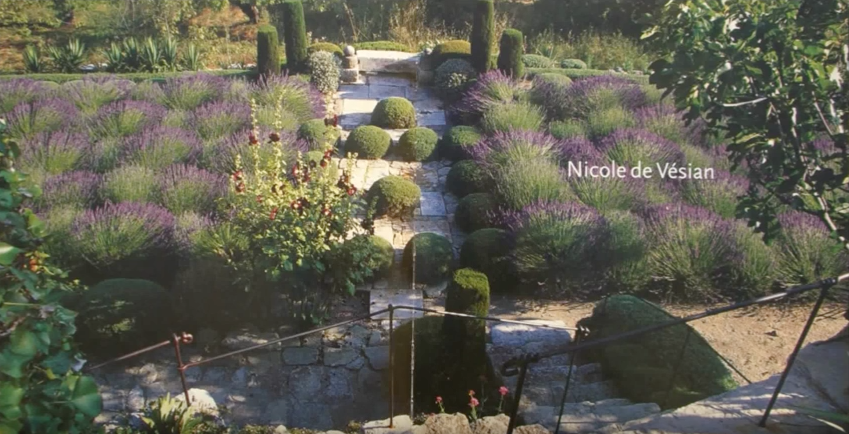
Found our sea of lavender at the Abbaye de Senanque in Vaucluse about 1 hour’s drive south from our hotel in Crillon de Brave. The lavender is in the height of its bloom and the scent meandering through the fields is incredible. If one can deal with isolation and poverty vows, these monks have a good thing going!” Kevin Byrne

BON WEEKEND TO YOUR ALL!

15 Great Patio, and Garden Designs To Fall In Love With This Summer

Minimalist patios are both beautiful and serene. But make sure they compliment the back room, or the overall design of the house

All images via HGTV
Our favorite time of the year checked in last week on Friday, June 21st. Summer is here and, if you haven’t already done so, why don’t you start making provisions to extend the fun by adding an ultra fabulous patio, or garden to your home? A great design can rescue any space. And that includes a town or country home. Here’s to our days in the sun!


Contemplating the Genius of Place & The Places of Geniuses

Midlands, England
After our marathon visit to Liverpool, prudence dictated that we sleep until respectably late hours, and then spend the remainder of Friday a bit closer to home. We gathered at Anne and David’s, and inspected Anne’s exquisite back garden (all photos of which were taken by Anne)……and then proceeded to Julia and Roger Aldridge’s for tea, where Julia and her cats Tim and Henry gave us a tour of her yard (photos of which are also Anne’s).
As you can see, my British friends make sublime gardens!
Our plan for the afternoon was a visit to the ruins at Witley Court,Great Witley, Worcestershire. Inevitably, since the buildings we’d be
wandering through are roof-less, the skies, which had been reticent all morning, finally unleashed drenching rains: the afternoon would be soggy.
Rather than rewrite what has already been well-stated, I quote from the English Heritage guidebook, “Witley Court” :
“Once one of England’s great country houses, Witley Court was largely gutted by fire in 1937. The owner, Sir Herbert Smith, decided not to rebuild, but to put the estate up for sale. Witley was never lived in again and was subsequently stripped and abandoned. Yet, as a ruin, it remains deeply evocative. Today it offers a rare opportunity to see the bones of a mansion that has grown over the centuries, from a substantial Jacobean house, based upon a medieval manor house, through expansion under the first Baron Foley and his son in the 1720’s and 1730’s to the addition of two massive porticos by Regency architect John Nash. It finally reached its peak of grandeur in the 1850’s with the extensive remodeling commissioned by the first earl of Dudley from the architect
Samuel Daukes. Lord Dudley’s immense wealth, generated largely by his industrial enterprises in the West Midlands, enabled his family to live an extraordinarily opulent life. It also funded the creation of an ornate formal garden at Witley designed by William Andrews Nesfield, the leading garden designer of his day. An army of servants was involved in servicing the property and family, further swollen during the lavish house parties attended by the Prince of Wales (later King Edward VII) and his circle.”
Witley Court in its heyday
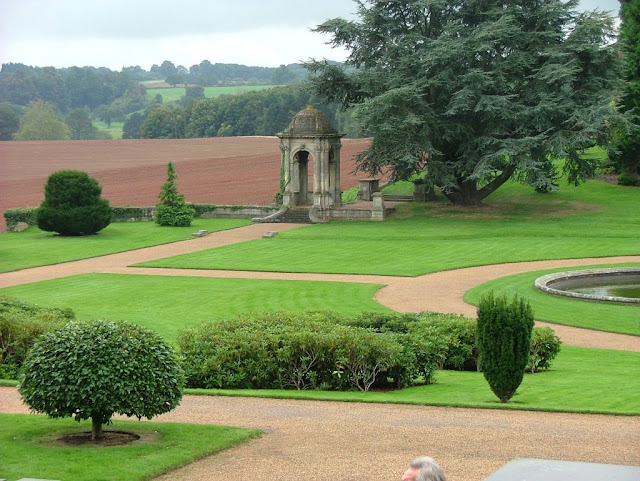
Today’s ruins and restored gardens
We first popped inside the Witley Parish Church, a still-functioning place of worship that’s attached to the manor house ruins. The Church is a rarity in England: the baroque style of its interior is more typical of Italy and southern Germany.
A fine Rococo Interior
Leaving the Church, we approached the magnificent ruins
Ruins of Manor House to the left; Parish Church to the right
Archway leading to the West Wing
The Conservatory, also known as The Orangery, was one of the largest in England. AG
South Parterre Gazebo. AG
Fountain in ACTION. Perseus and his winged steed Pegasus are riding to Andromeda’s rescue. Sea monsters snap at their heels, but the hero and his lady fly off, in a spray of water! How’s THAT for watery entertainment. The fountains are activated, once every hour, and run for 20 minutes. AG
A Dog-Walker’s Paradise. AG
Anne and Janet strolling by Cupid, who is riding a dolphin
These photos of Witley’s ruins say it all: rarely have I been to a place that so exemplifies
the concept of sweet melancholy.

Shine On!

A few of us from the office were invited by Architectural Lighting Magazine to attend the 2012 Design Awards last week. The ceremony was held at The New York Times. As a residential interior designer, I haven’t had a full scale opportunity to work with various lighting professionals as often as I would of liked. So to have been in the company of some of the most illustrious individuals in that field was an eye opener, and brought to mind, once again, the importance of good lighting. In the age of Instagram, and Facebook, many people, including me, see ourselves as a self professed photographer. The trouble is, we often neglect the vital fact that good lighting is often the deal breaker.

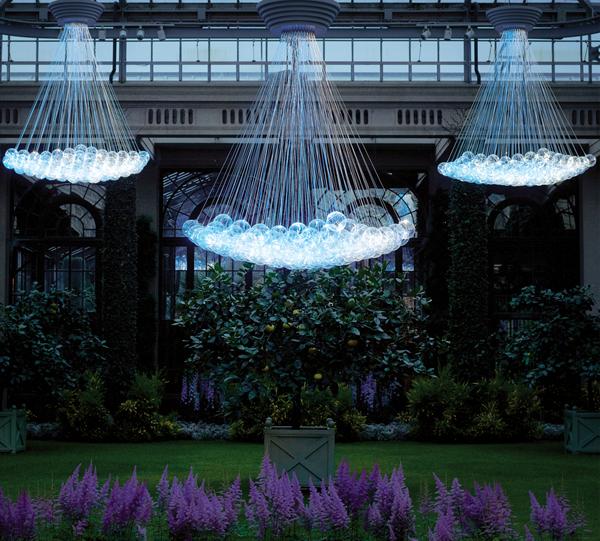
This past summer, I witnessed an  excellent example of good lighting in the form of an outstanding installations which Bruce Monro did by transforming Longwood Gardens, located in Kennett Square, Pennsylvania, into an illuminated wonderland. It left me with a few positive conclusions, one of which were – I’ll never look at lighting in the same way ever again.

Images courtesy Arch Lighting

To read the article appropriately called: Daydreaming in Light that was penned by Arch Lighting editor, Elizabeth Donoff, visit: www.archlighting.com.

NOTE: Please notify us directly, if you believe that certain images on this post are alleged to infringe upon the copyrights of others, according to the Digital Millennium Copyright Act (DMCA). Thank you.

The Weekender: Place Des Vosges, Paris


Each day I’m getting more and more excited about my trip to Paris, and the pleasure I get in planning it. I can’t seem to stop talking about what I often like to call, “my spiritual home.” Paris is beautiful all year around, but in the fall it’s a bit more special for me. It’s a time of rebirth, sort to speak, when Parisians are returning back to the city after spending their summers in the country or elsewhere.                                                                  

photo via Pictures for Walls
Place des Vosges
We all know how hard it is to find some of the shops opened during the summer holidays, so it’s a delight to see everyone back doing business when autumn comes. In a few months, the long awaited Biennale des Antiquares will open its doors at the Grand Palais on Friday, September 14 through the 23rd, and Maison Object is a week before.

Place Des Vosges, circa 1830
Place des Vosges
Fountain view of Place Des Vosges, photo via World Is Round
Place Des Vosges
Photo credit: Flickriver
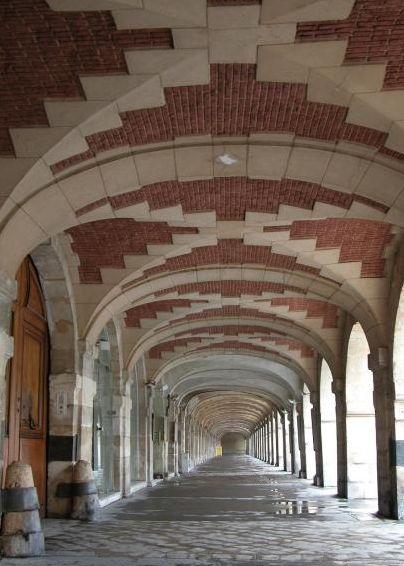
Place Des Vosges, architectural details
Photo credit: Flickriver
One of the four arches of Place Des Vosges, photo via Simonbuc
Place des Vosges
Photo credit Regis Pettinari ©
Watercolor painting of the fountain at Place Des Vosges, photo credit Regis Pettinari ©
Afternoon repose, watercolor (with fountain in the background), Place Des Vosges, photo credit Gerard Hauet ©
Place des Vosges
Vyna St Phard, Place des Vosges, Paris, circa 2007
Photo courtesy: High End Weekly™

This is an ideal time to be in Paris to source out various fine and decorative arts for my clients. But flying across the pond also means that I’ll get to stay at Place des Vosges. There really isn’t any other square in the world like it. And that’s not a gross exaggeration. 
This specific charming square is right in the heart of the Marais. Place des vosges is a large quadrangle surrounded by 39 houses built on a uniform plan with brick, stone, and stucco facades. Arcade ground floors and simple dormers. The trees that I’ve come to love over the years, were not planted in the central gardens until 1783. And as beautiful as they are, they did in my view damaged the overall symmetry of the square. Another interesting fact about Place des Vosges is that it acquired its present name in 1799, after the department of the Vosges was first to discharge its liabilities for the Revolutionary Wars. Who would of thought?

NOTE: Please notify us directly, if you believe that certain images on this post are alleged to infringe upon the copyrights of others, according to the Digital Millennium Copyright Act (DMCA). Thank you.

The New York School of Interior Design Honors Jack Lenor Larsen and Thomas Woltz

The New York School of Interior Design will honor visionary, scholar, world traveler, and authority on traditional and contemporary crafts, Jack Lenor Larsen and Thomas Woltz,  at its annual spring benefit, on Wednesday, April 18 at the Metropolitan Club.

Jack Lenor Larsen
Photo credit: Roberto Dutesco

Mr. Larsen will receive a Lifetime Achievement Award and Mr. Woltz, who is a Fellow of the American Society of Landscape Architects, and owner of Nelson Byrd Woltz Landscape Architects, will receive the school’s first Thomas N. Armstrong III Award in Landscape Design. This year’s Benefit co-chairs include Mario Buatta, Ellie Cullman, Philip Gorrivan, Amy Lau, Stephanie Odegard, Campion Platt, and Barbara Slifka. The Vice-chairs include Graham Arader, James Druckman, Marina Kellen French, Hugh Hardy, and Mary Ellen and Richard Oldenburg.

Thomas Woltz
Photo credit: Will Kemer Photographer

Thomas Woltz works between offices in Virginia and New York, he has led designs of a broad range of institutional projects in the US and abroad including The Peggy Guggenheim Sculpture Garden in Venice, Italy, The McIntire School of Commerce at the University of Virginia, Round Hill, Jamaica, the National Arboretum of New Zealand and a Master Plan for the conservation of 42,000 acres of Catalina Island off the coast of Los Angeles. Many of Thomas’ projects focused on restoration of damaged ecological infrastructure within working farmland and create models of biodiversity and sustainable agriculture. Thomas serves on the Board of Directors of The Cultural Landscape Foundation, and is an avid gardener.

“We are very pleased to salute Jack Lenor Larsen and Thomas Woltz,” said Patricia Sovern, Chairman, Board of Trustees. “Each of these men has enriched the textures of our lives and the quality of the built environment. We are particularly proud to launch the Thomas N. Armstrong III Award in Landscape Design, honoring our late trustee’s devotion to landscape design.” According to Sovern, Armstrong’s son, landscape architect, Whitney Armstrong, will present Woltz with the award.

Tickets for the benefit start at $500 and $1,000 per person. Tables of 10 can be purchased for $5,000 (Supporter), $10,000 (Benefactor), $15,000 (Connoisseur) or $25,000 (Patron). To purchase tickets or for more information contact: Monica Cheslak at 212-472-1500, or email: mcheslak@nysid.edu.