Tête-à-tête with Vyna St. Phard

Vyna St. Phard
Illustration: Damian DiCarlo

What inspires you in your work?

The obvious answer is nature. However, great design shouldn’t be overlooked. I’ve spent decades attending, and participating in high-end furniture fairs both in the US and abroad, observing people and the objects that affect their lives, and how they respond to them in the most meaningful way. Great design is a powerful tool, and so are places, photography, and the sheer beauty of nature. The eye is trained not only on the awesomeness of well-designed spaces, but it is also drawn to the importance of architecture, art, culture, travel, and fashion.

Do you often work with artists for your interior design projects?

Absolutely. An art-filled home is something that I value a great deal, and there are a lot of modern to contemporary artists that we collaborate with. Since we do a lot of customization for our private clients, working with artisans has proved quite advantageous because that allows me to design furniture pieces that are detailed oriented, comfortable, and aesthetically pleasing.

How do you describe your style?

A mix of vintage design with an elegant laid-back feel. Don’t get me wrong, I love the extraordinary, however, ostentatious interiors are not what I am known for. I like the mid-twenty-century canon for the optimistic way it registers with people even in the 21st century. I constantly question, and see the value of why a curated style, textured fabrics, and wallpapers, mixing the high to mid-level designs bring out the best personality, emotion, and experience in a client’s home.

Since I know that you are bilingual in French,  what’s your go-to French word(s) – if any?

The Grand-Hôtel du Cap-Ferrat … The most beautiful words in the French language.

This article originally appeared at www.vynastphard.com.

MODERNISM IN DESIGN

MODERNISM IN DESIGN

Can modernism in design be reached by following the evolving landscapes of design gurus and social media influencers? It’s not for us to judge. So perhaps the even better question is: what is modernism in design?

Modernism in design is all about escaping the fripperies of old-world design. And by that, we mean pre-war design. The modernist approach is to constantly highlight the clean lines and functionality instead of the embellishments that exaggerate the form when it comes to decor. Following the philosophy of form and function is our approach to modernism in design.

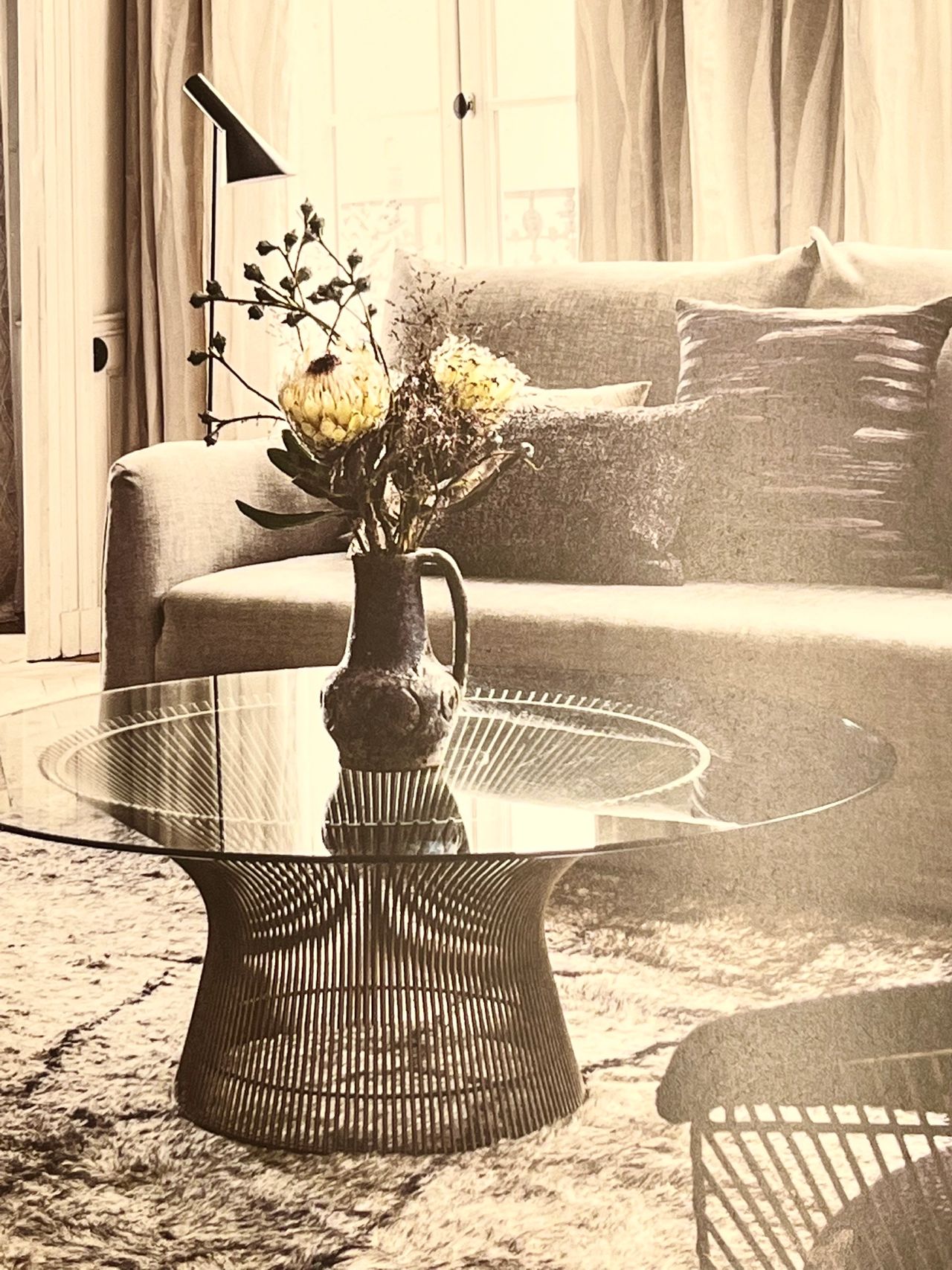
A Parisian apartment, clad with Larsen textiles, while a Platner coffee table takes center stage. Photo courtesy: LARSEN
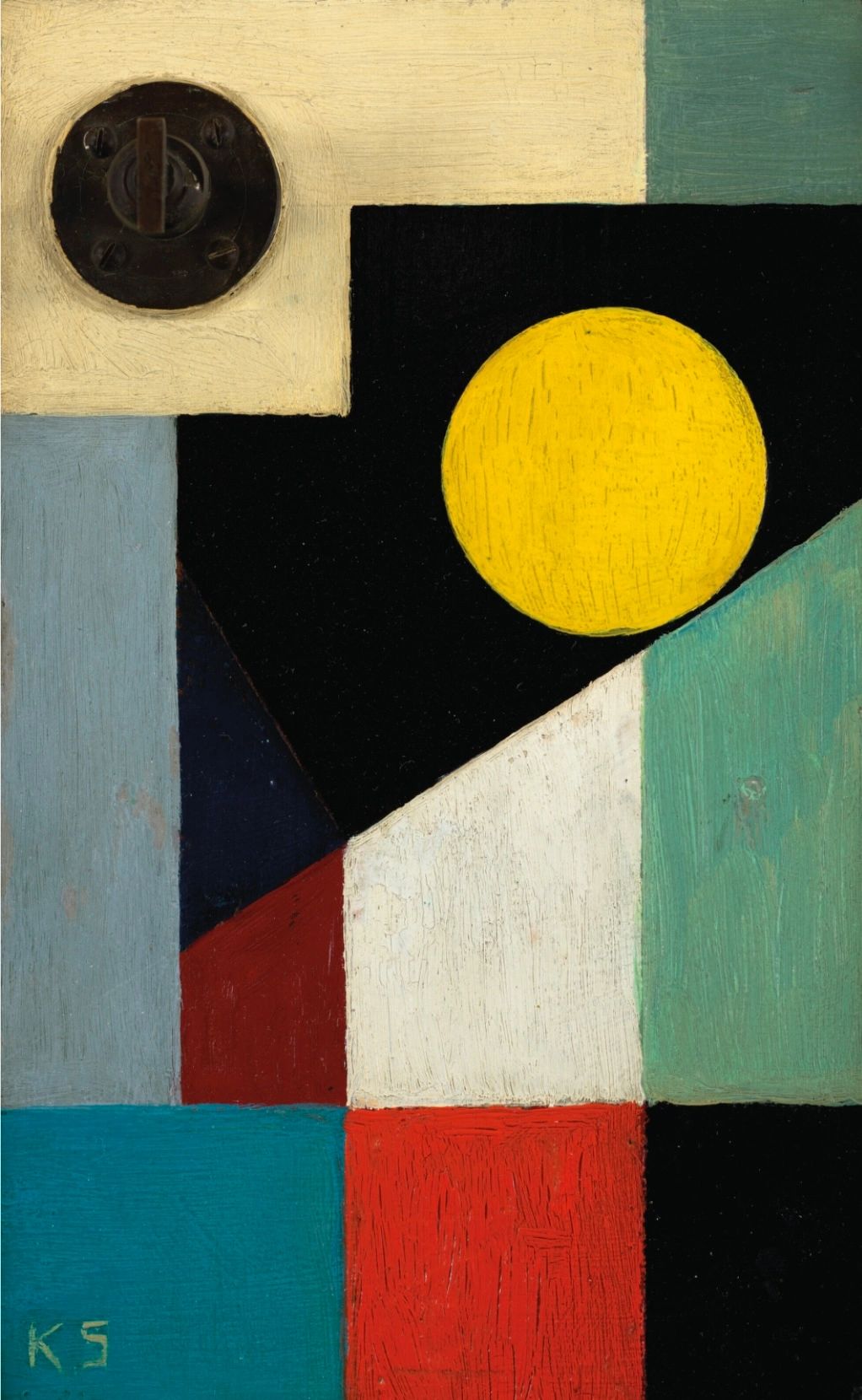
Kurt Schwitters, Für Tillyr, 1923. Photo courtesy: CHRISTIE'S
Kurt Schwitters, Für Tillyr, 1923. Photo courtesy: CHRISTIE’S.
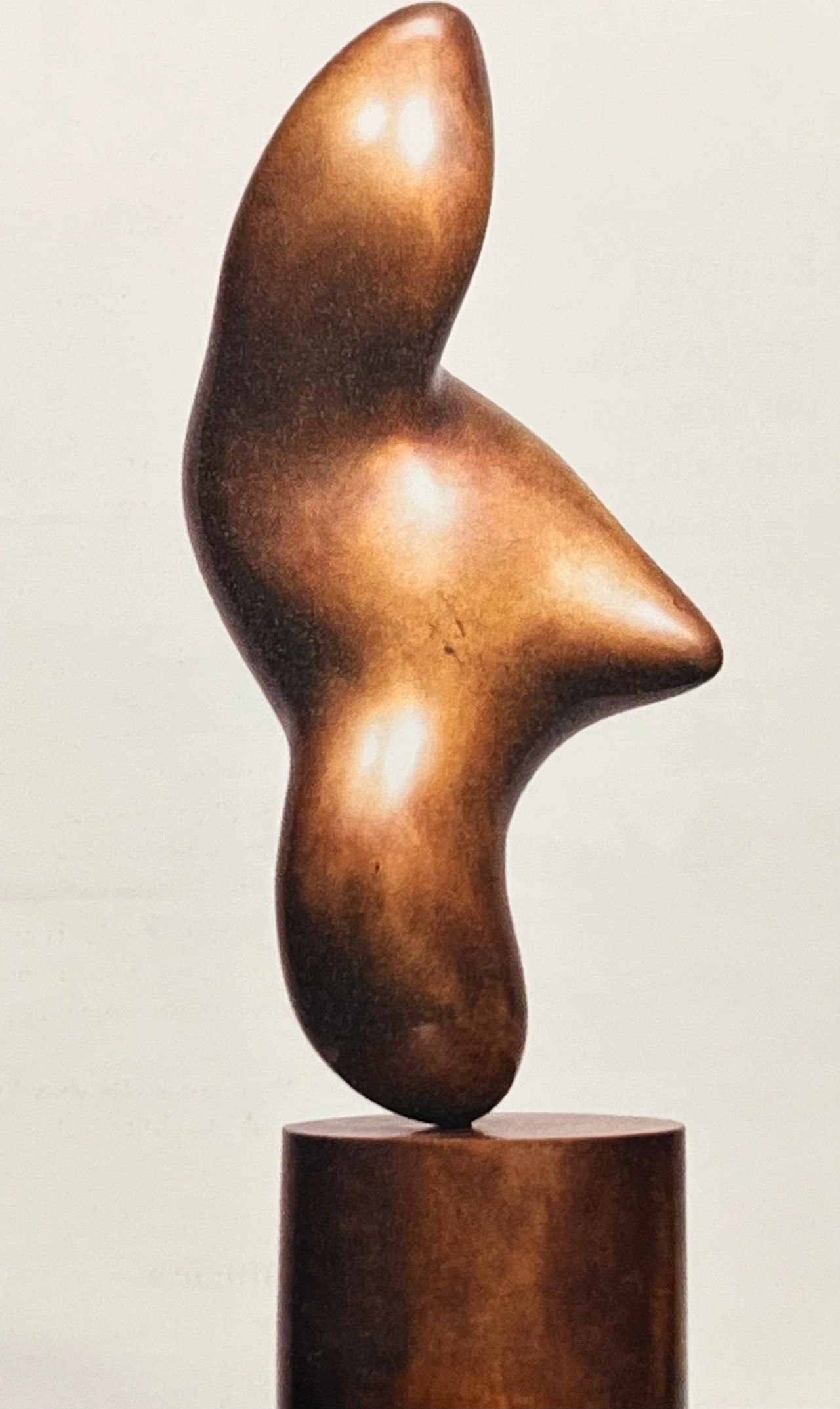
Modernism in Art: Jean Arp, Reveil, 1938. Photo courtesy SOTHEBY'S
Modernism in Art: Jean Arp, Reveil, 1938. Photo courtesy SOTHEBY’S.
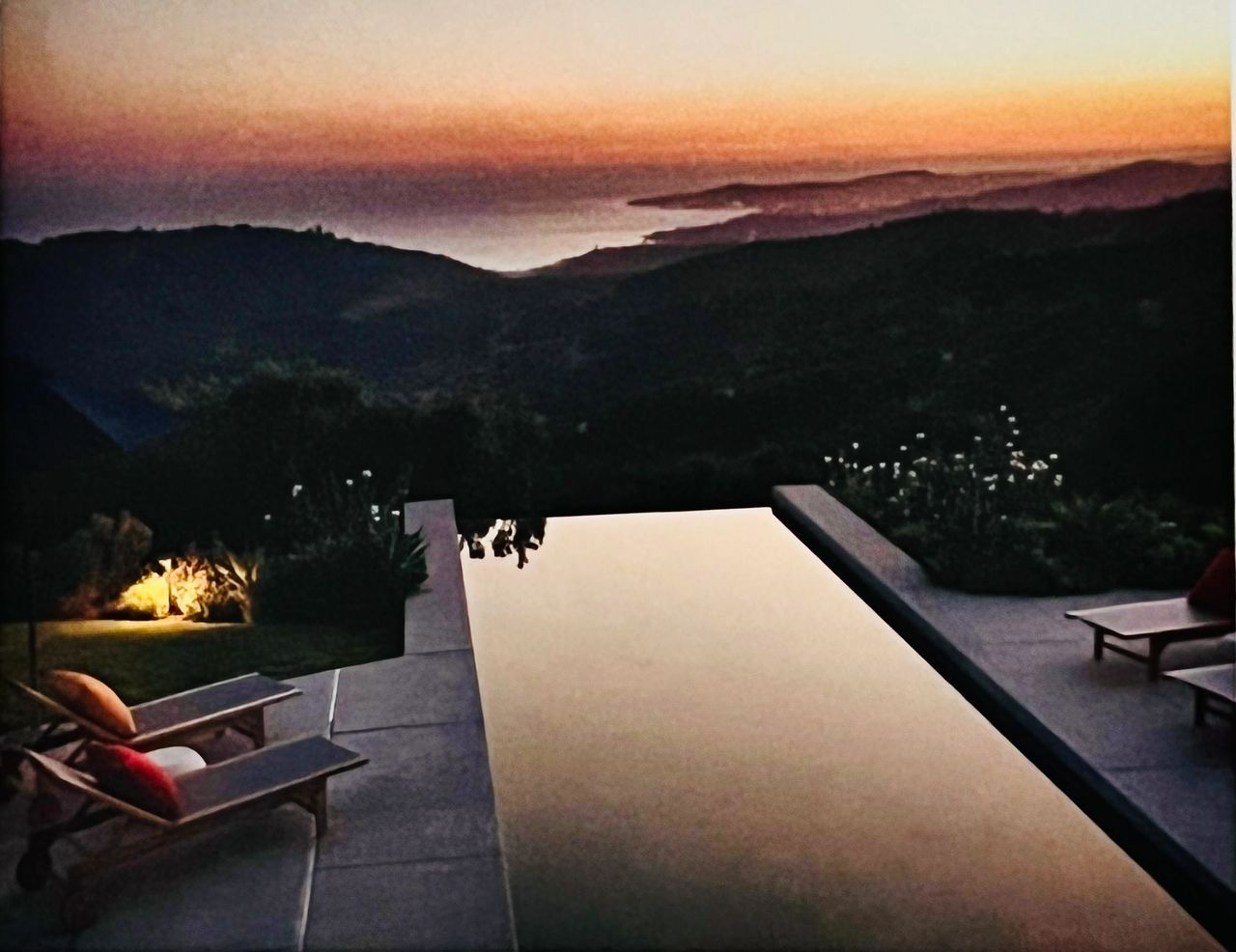
Modernism in Architecture: Montecito, California, 2014
Modernism in Architecture: Montecito, California, 2014.
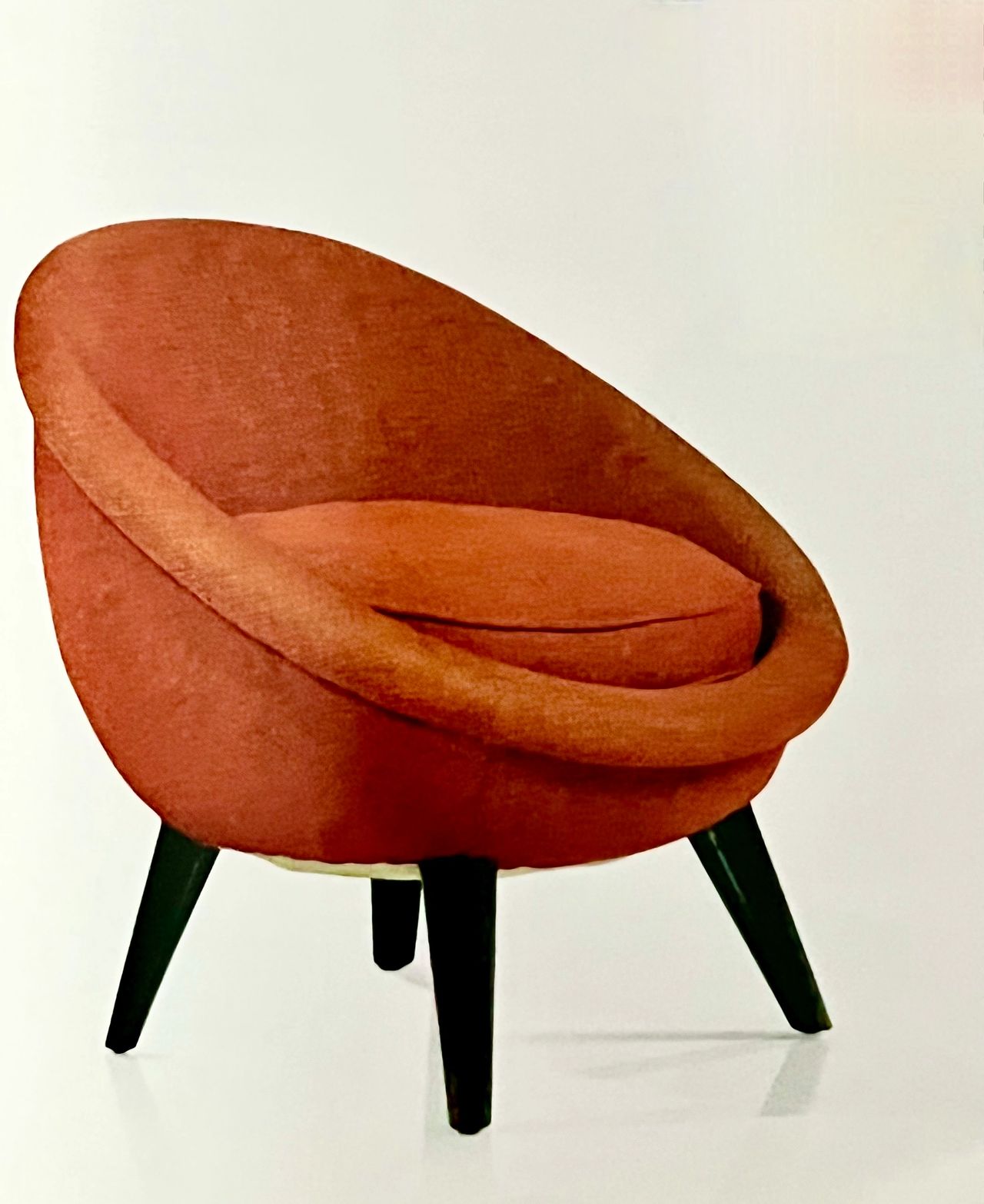
Jean Royere, armchair, circa 1954. Photo courtesy: SOTHEBY'S
Jean Royere, armchair, circa 1954. Photo courtesy: SOTHEBY’S.

This article originally appeared on MAISON VSP

8 Best New Hotels in New York City

NoMad New York City, New York indoor Living room ceiling interior design furniture café living room restaurant Lobby window interior designer area wood.

THIS STORY ORIGINALLY APPEARED ON www.jetsetter.com.

WRITTEN BY SIOBHAN REID

8 Best New Hotels in New York City

The hottest new hotels in NYC offer everything from nightclubs to celeb chef restaurants and private art collections. Read on to find which ones we’re checking into this summer.

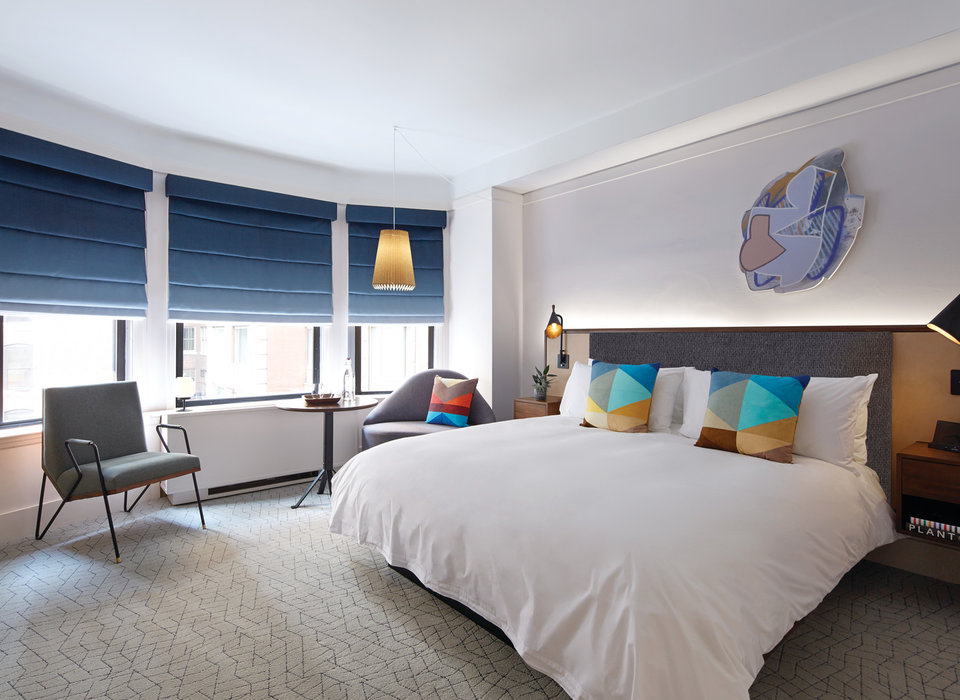
NoMad New York City, New York indoor wall floor room bed ceiling bed frame interior design Architecture Bedroom home window mattress furniture loft daylighting interior designer Suite hotel

NoMad New York City, New York floor indoor room interior design window Living furniture wooden living room table flooring Lobby café loft interior designer wood area
Photos courtesy of MADE

MADE

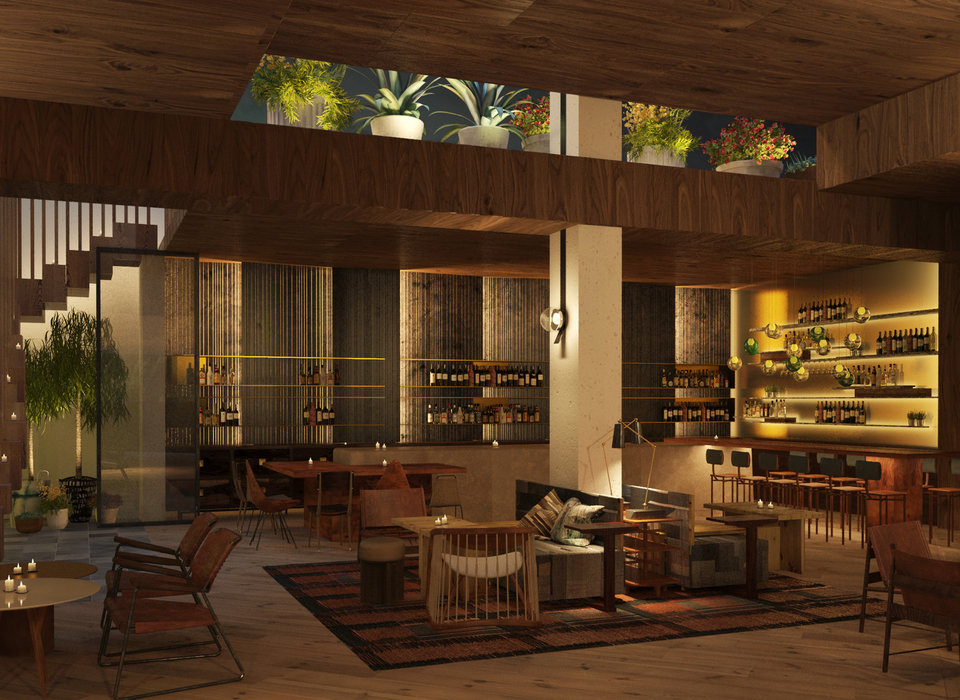
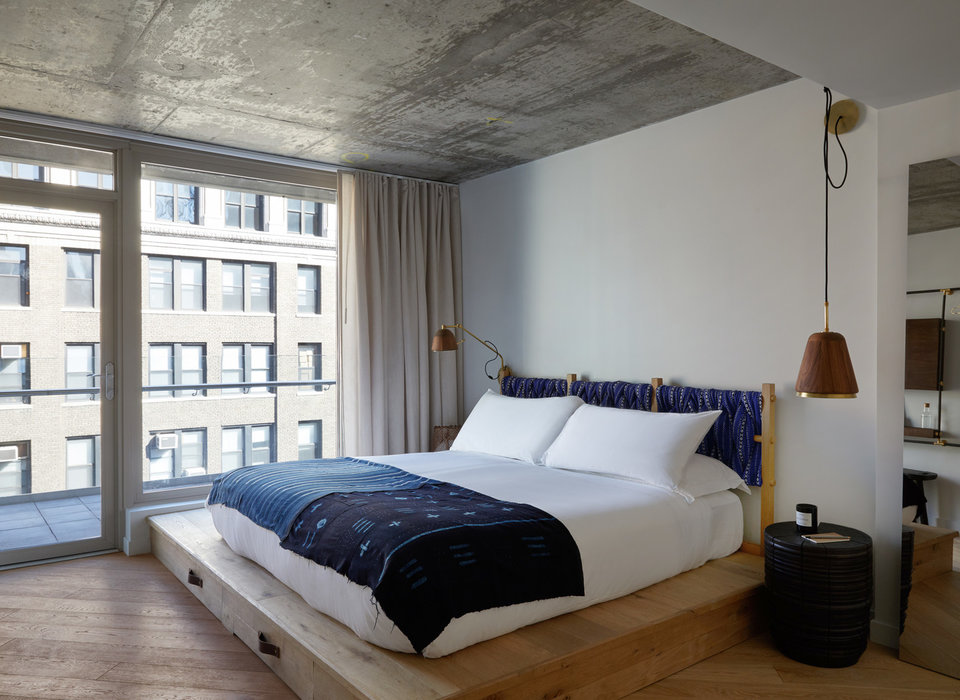
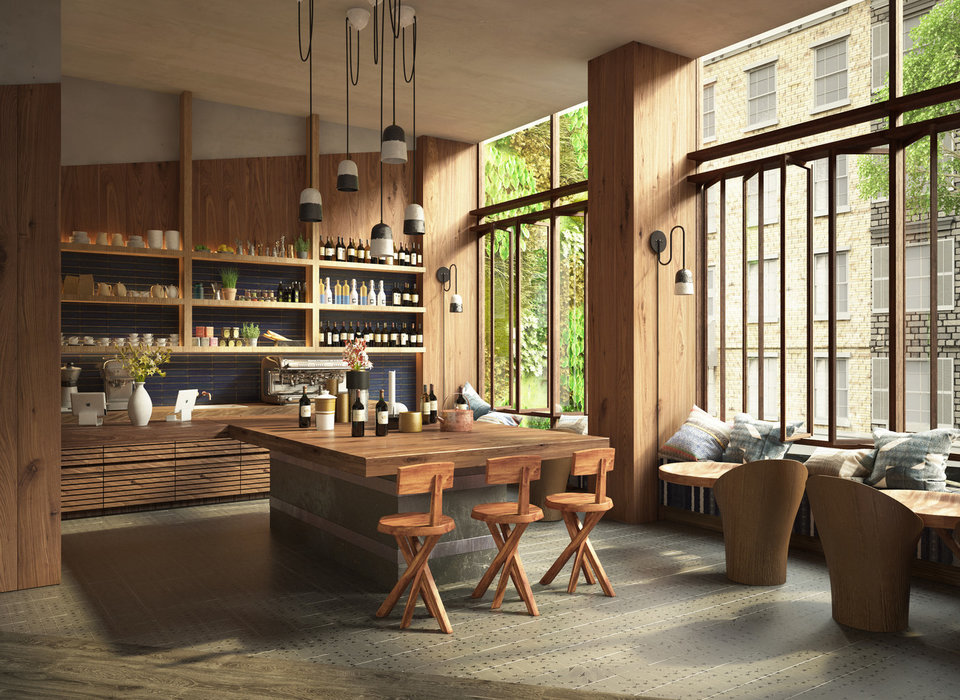
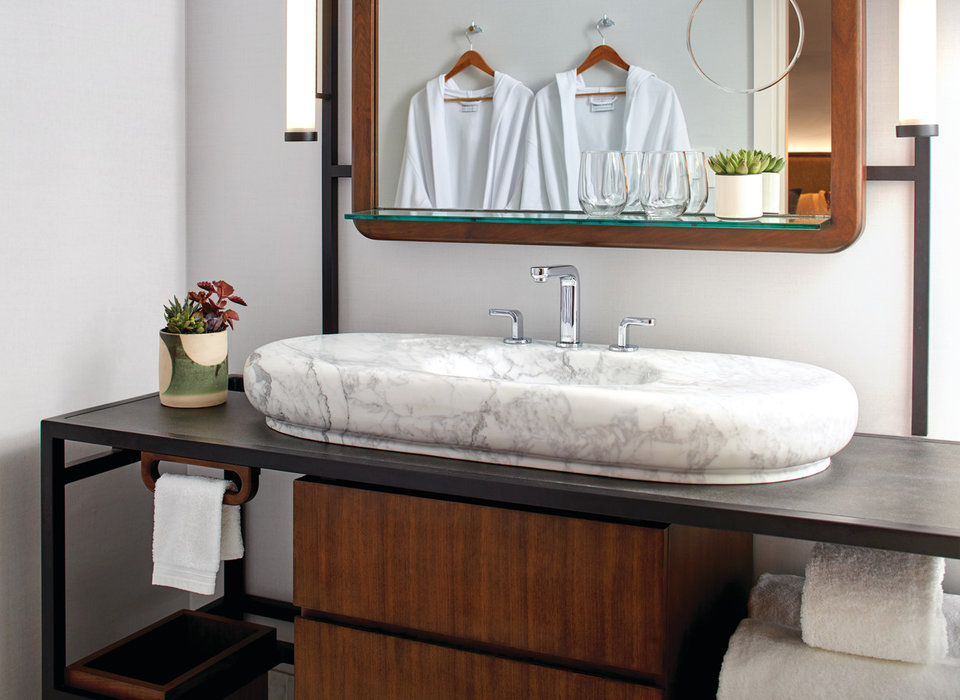
In September, the NoMad district will see yet another hotel opening with the debut of MADE, the first hotel project by hospitality entrepreneur Sam Gelin. LA-based design studio MAI is behind the earthy-meets-modern interiors—all hand-carved benches, polished stainless steel surfaces, exposed bronze light fixtures, and hand-woven fabrics. And the bold look extends to the 108 guestrooms, which have concrete and wood surfaces, floor-to-ceiling windows, and bathrooms with hand-painted wall tiles and carved stone sinks. A lobby bar pours espresso drinks during the day and cocktails at night, and there’s also a restaurant and rooftop slated to open early fall.

The James New York - NoMad New York City, New York wall indoor table room furniture interior design lighting accessory living room lampshade chair home Suite coffee table product design lamp light fixture floor window flooring

The James New York - NoMad New York City, New York wall indoor room sink bathroom tap plumbing fixture interior design furniture bathroom cabinet Suite floor ceramic bathroom sink product bathroom accessory

The James New York - NoMad New York City, New York indoor bed wall floor room ceiling property Bedroom real estate interior design scene home Suite window hotel

 The James New York – NoMad

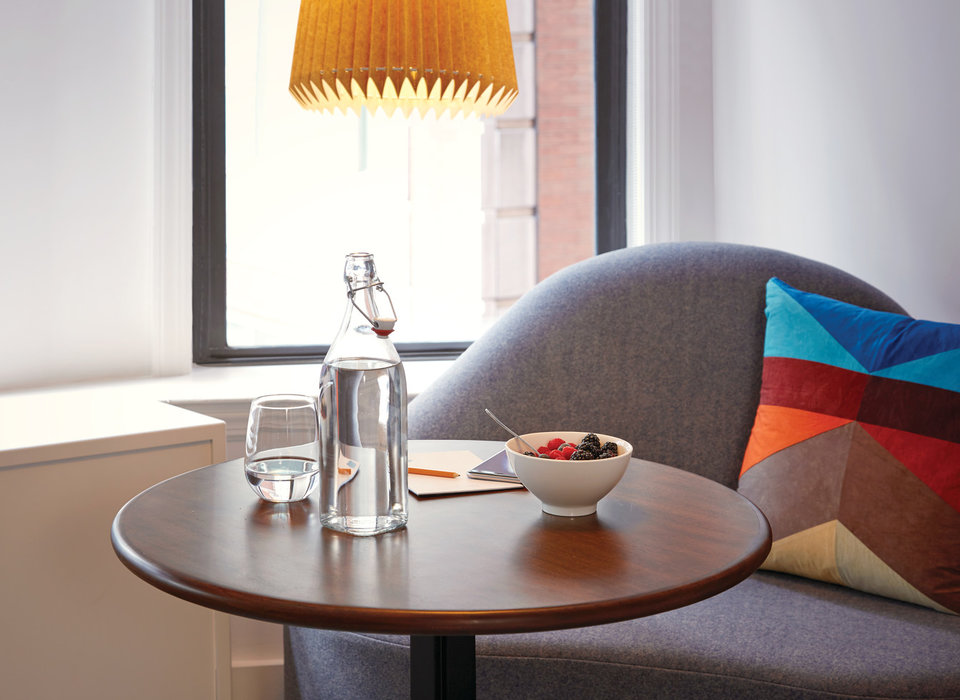
NoMad’s culinary scene will only get hotter when The James New York-NoMad officially opens this fall, inside a historic Beaux-Arts building on Madison and 29th Street. The luxury 344-room hotel will be the site of award-winning restaurant Scarpetta—which is known for inventive, seasonally-driven fare and unmatched service— along with a soon-to-be-announced cocktail bar concept. Upstairs, guestrooms feel like urban sanctuaries, thanks to expansive glass windows, contemporary art by local artists, spacious bathrooms, and thoughtful details like yoga mats and in-room pantry filled with local snacks.

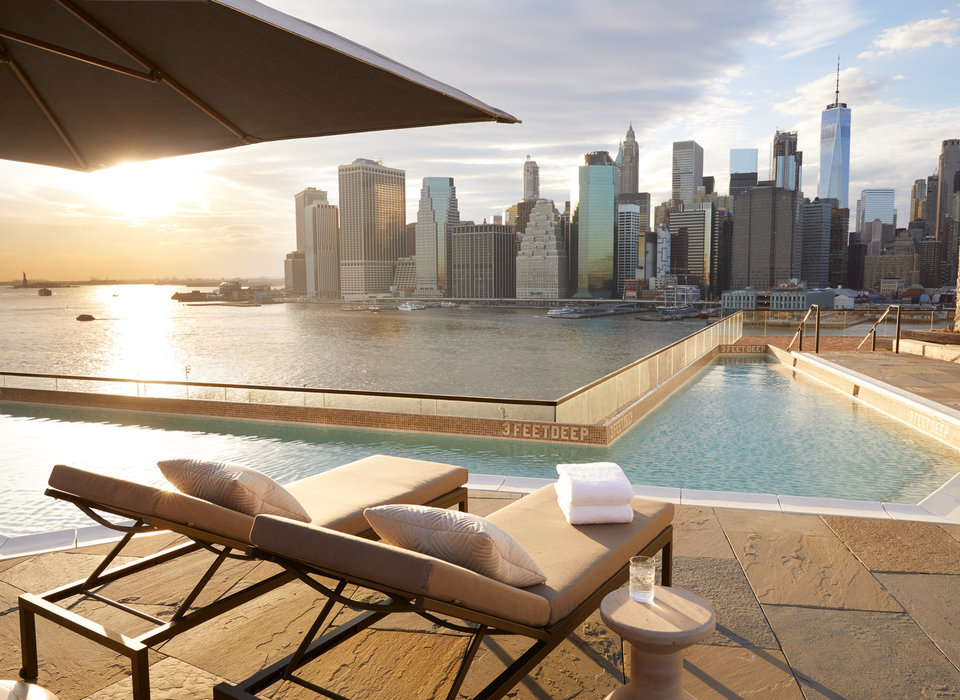
1 Hotel Brooklyn Bridge Brooklyn, New York sky leisure swimming pool outdoor property condominium Villa apartment

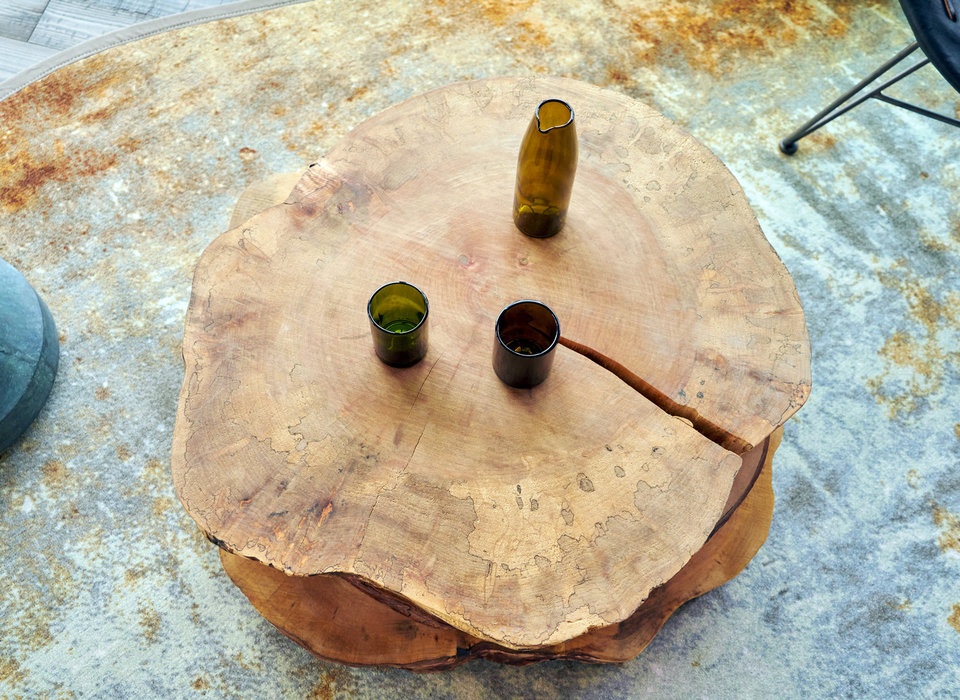
1 Hotel Brooklyn Bridge Brooklyn, New York ground food rock dish wood produce material baking cuisine eaten

1 Hotel Brooklyn Bridge

Never in Brooklyn has a hotel had as much buzz as the 1 Hotel Brooklyn Bridge (and yes, it might be bigger than The Wythe). Here, you’ll find a certain tranquility often lost in urban hotels, thanks to its waterfront address by Brooklyn Bridge Park. Rooms are luxuriously spacious and bring in the borough’s eco-conscious sensibility with moss gardens, hemp-blend mattresses, a color palette defined by textures and materials rather than paint or wallpaper, and hour-glasses that time your showers. Living walls in the lobby create the ideal retreat from city life, a rooftop bar with fire pits and a lounge pool is the neighborhood’s hottest summer hangout, and floor-to-ceiling window views of the Brooklyn Bridge, the city, and Lady Liberty mean you’ll never have a bad view.

PUBLIC

PUBLIC is the latest hospitality venture from hotelier Ian Schrager, founder of mythical 1970s nightclub Studio 54 and the man credited with creating boutique hotels. Given Schrager’s reputation as an industry disrupter, the hotel’s luxury-for-less concept—which does away with traditional amenities and services (think: doormen, bellhops, room service) —should come as no surprise. What to expect instead: sleek, sexed-up interiors, a Jean-Georges Vongerichten restaurant, a basement nightclub, three bars, and 367 minimalist rooms.

The Whitby

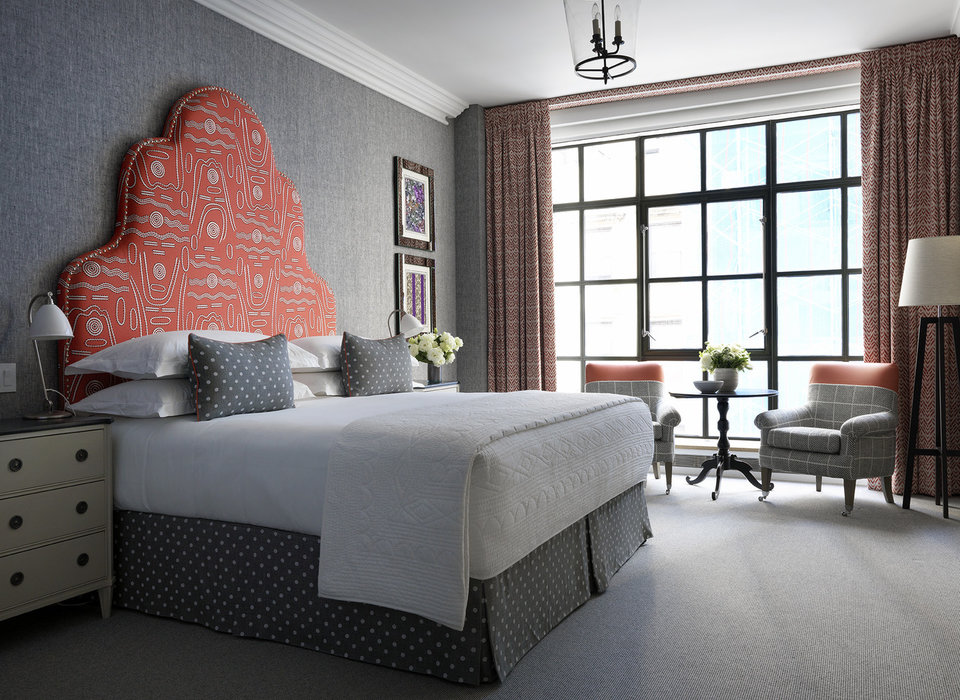
The first stateside outpost from witty British brand Firmdale, the Crosby Street Hotel has made many a top 10 list—but The Whitby, its much-awaited follow-up in upper Midtown, does it one better. Expect the same Firmdale flourishes, from the colorful mash-up of intricate Kit Kemp patterns and paisleys on headboards, walls, armchairs, and rugs (a refreshingly bold departure from the city’s overuse of neutrals) to oh-so-English corners including a drawing room for afternoon tea and a library. There are plenty of indulgent extras, too, including a 130-seat theater and an orangery attached to the restaurant.

The Williamsburg Hotel

This hipper-than-thou Brooklyn neighborhood has been booming lately thanks to a crop of new hotels, including The Williamsburg. The industrial-chic bolt hole is all steel, brick, and glass on the outside, while on the inside, 150 loft-like guest rooms have white-washed timber walls and brass fixtures, not to mention floor-to-ceiling windows that open onto balconies overlooking the city skyline. But the real jaw-dropper here is the over-the-top amenities: a chauffeured tuk-tuk, a veggie-centric restaurant, a rooftop pool, and three watering holes, including a subterranean lounge and a secret cocktail bar hidden in its water tower.

50 Bowery

This new 229-room boutique hotel from San Francisco chain Joie de Vivre takes its cues from its address in vibrant Chinatown. Interiors have a gritty-industrial look, with distressed fabrics and stripped-back plaster walls, plus artwork from Beijing-based graffiti artist Dake Wong and the Museum of Chinese in America. At the hotel’s 220-seat restaurant, Rice & Gold, tuck into Pan-Asian dishes like crispy papaya salad, hand-pulled noodles, and Thai fried chicken, then keep the party going by sipping cocktails and listening to live music at the Green Lady, an “opium den-themed parlor lounge.” The hotel’s address on Canal street means you’re steps from Chinatown’s top attractions, but if you want to stay closer to home, there’s a 1,500-square-foot gallery on-site that explores the area’s rich history.

 Life Hotel

Sleep where Norman Rockwell worked and lived at the newly opened Life Hotel, set inside LIFE Magazine’s former Herald Square HQ. The 98-room boutique hotel channels the glamor of a bygone era, with 20-foot-high ceilings, wood floors, white walls, cast-iron columns, and original moldings. Several New York-based artists were also commissioned to create close to 200 pieces of work for the guestrooms. Grab a bite to eat in the restaurant, where there are small plates and classic cocktails, then mosey on down to the intimate basement bar, which functioned as a speakeasy during Prohibition.

SaveSave

SaveSaveSaveSave

The World’s Best-Designed Hotels

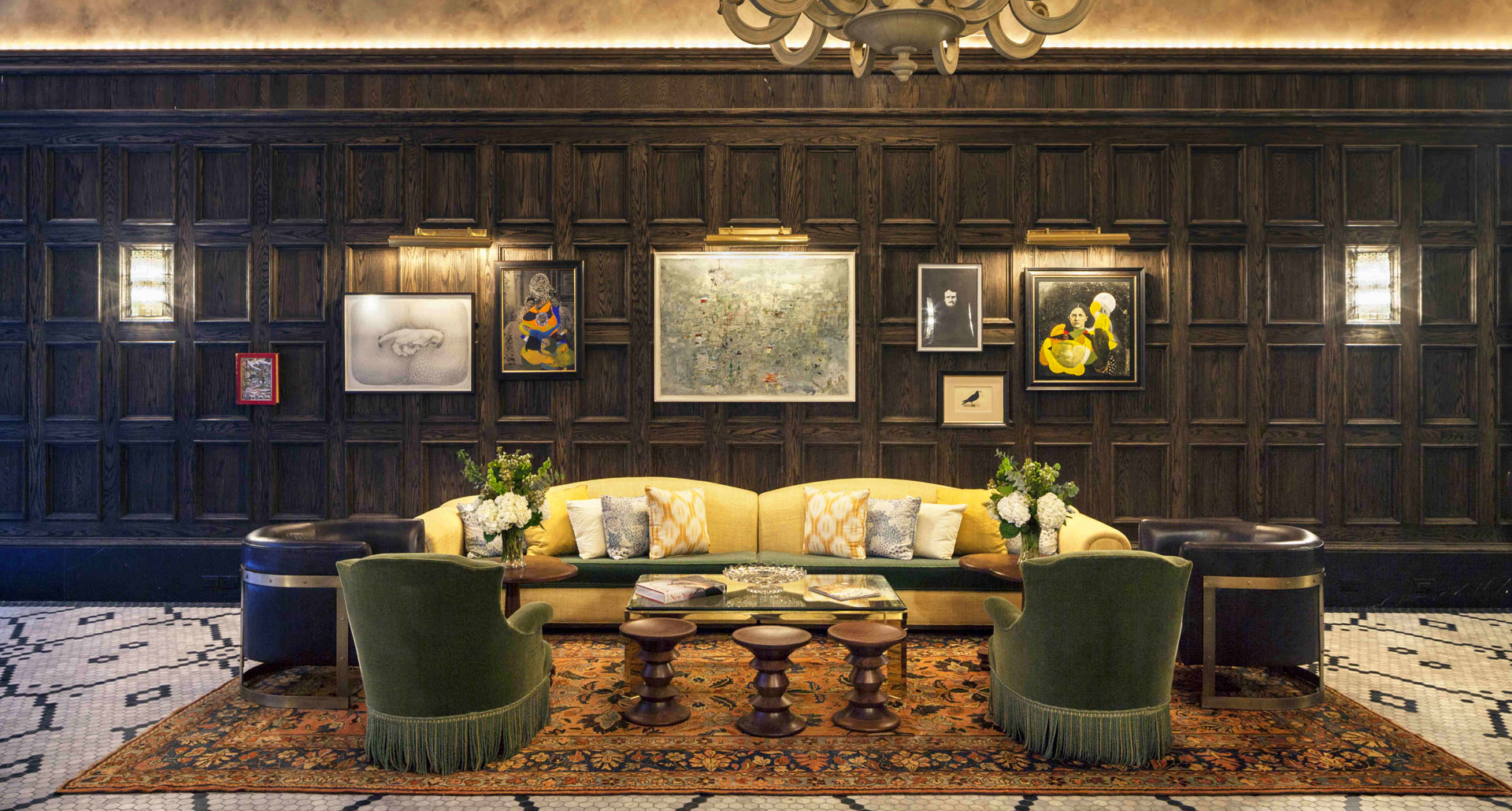
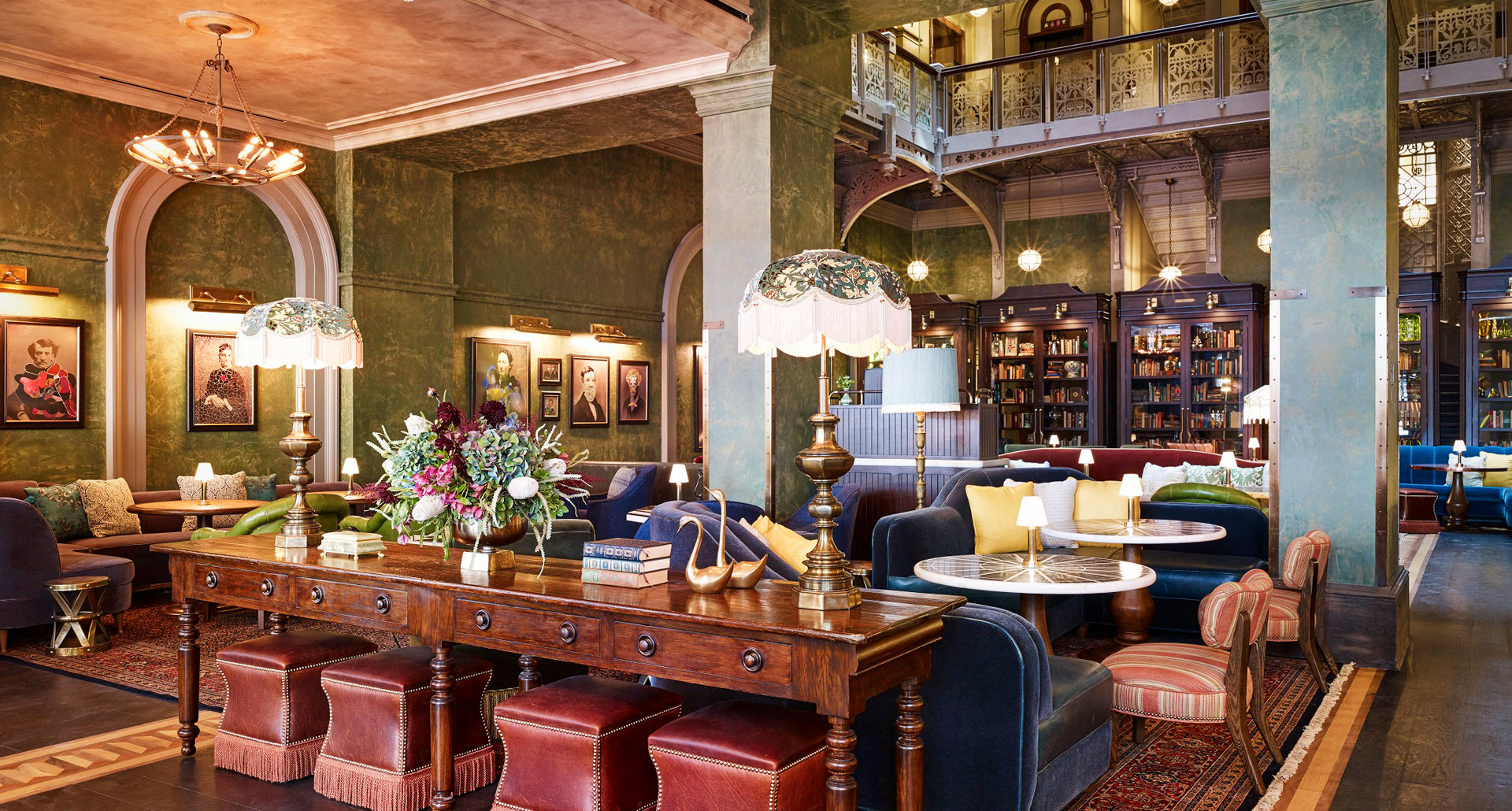
The Beekman - boutique hotel in New York
The Beekman | New York City
This story originally appeared in Tablet Magazine

The Power of Interior Design, Part 1

Hotels aren’t as simple as they used to be. No longer just places to sleep, the best have evolved into works of art — performance spaces that allow guests to star in their own sort of theatrical production. And nothing sets this scene like the exceptional interior design, where every inch is carefully considered and each element works toward a theme that offers a thorough departure from the outside world. It’s a chance to try on a whole different life, and in this series we’ll examine hotels that provide the greatest escape.

PART 1: THE PAST OR THE FUTURE?

Historical DramaWe start with the period pieces. Some designers are aces at turning back the clock and infusing their creations with the atmosphere of days gone by. These six hotels take you back to an idealized version of hospitality history, but with a present-day energy that ensures things don’t get stale.

The Beekman - boutique hotel in New YorkThe Beekman | New York City

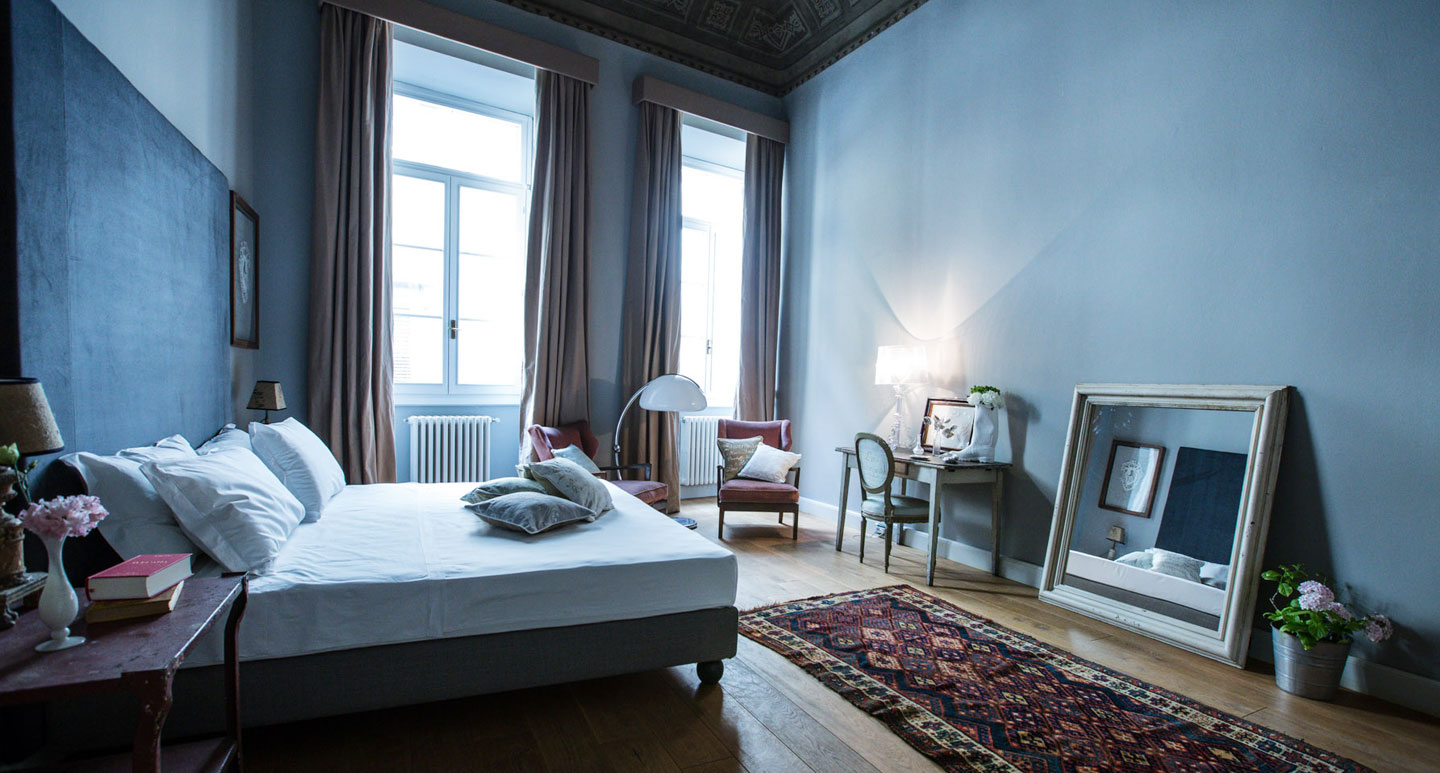
Soprarno Suites - boutique hotel in FlorenceSoprarno Suites | Florence, Italy

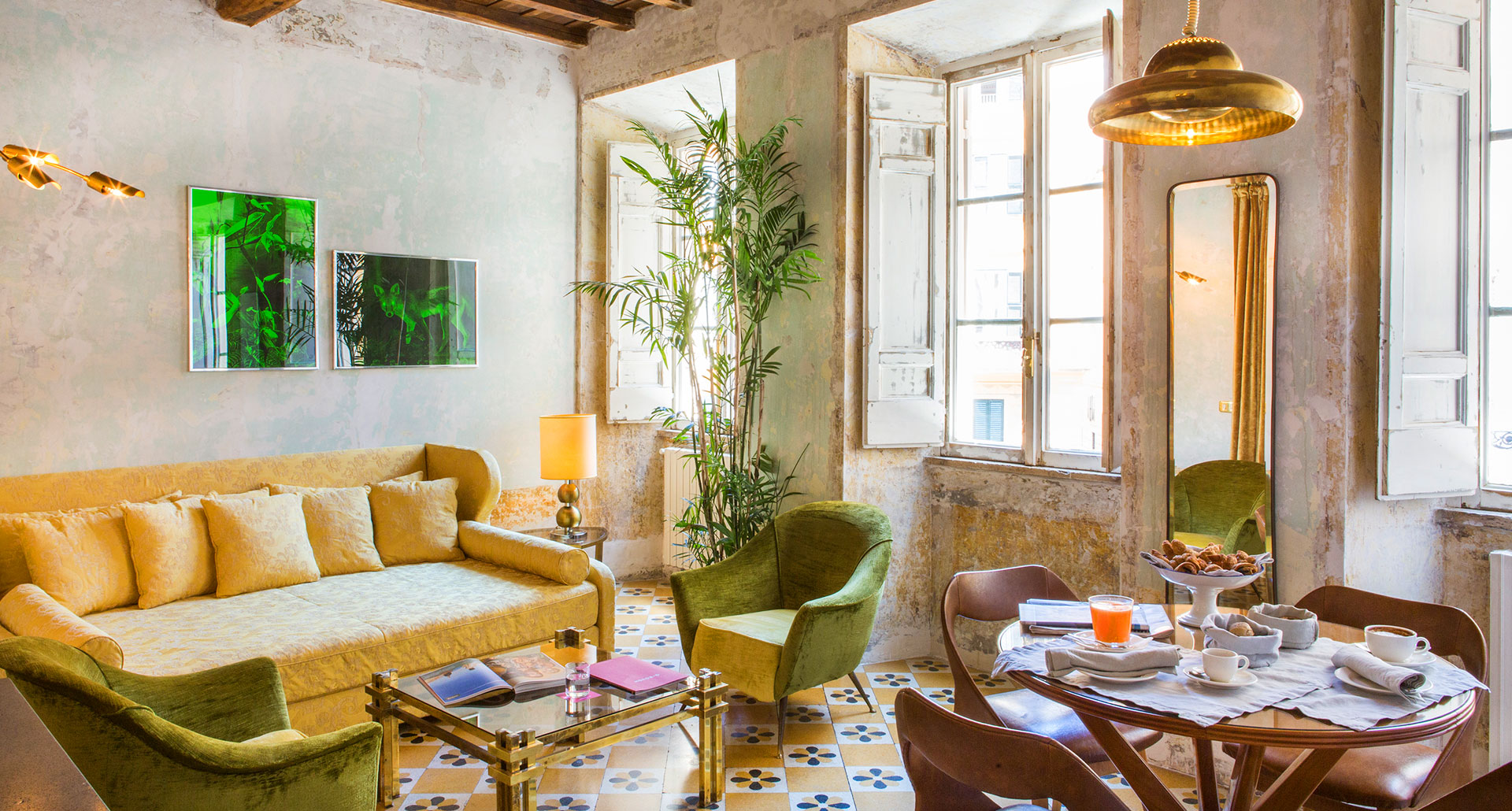
G-Rough - boutique hotel in RomeG-Rough | Rome, Italy

When you enter The Beekman, you enter a different time and place. This is an 1881-vintage skyscraper from the days when a skyscraper meant nine stories of terraced red brick and a towering central atrium. It’s a sort of Wes Anderson version of prewar Manhattan, full of historical resonance but viewed through a contemporary lens.

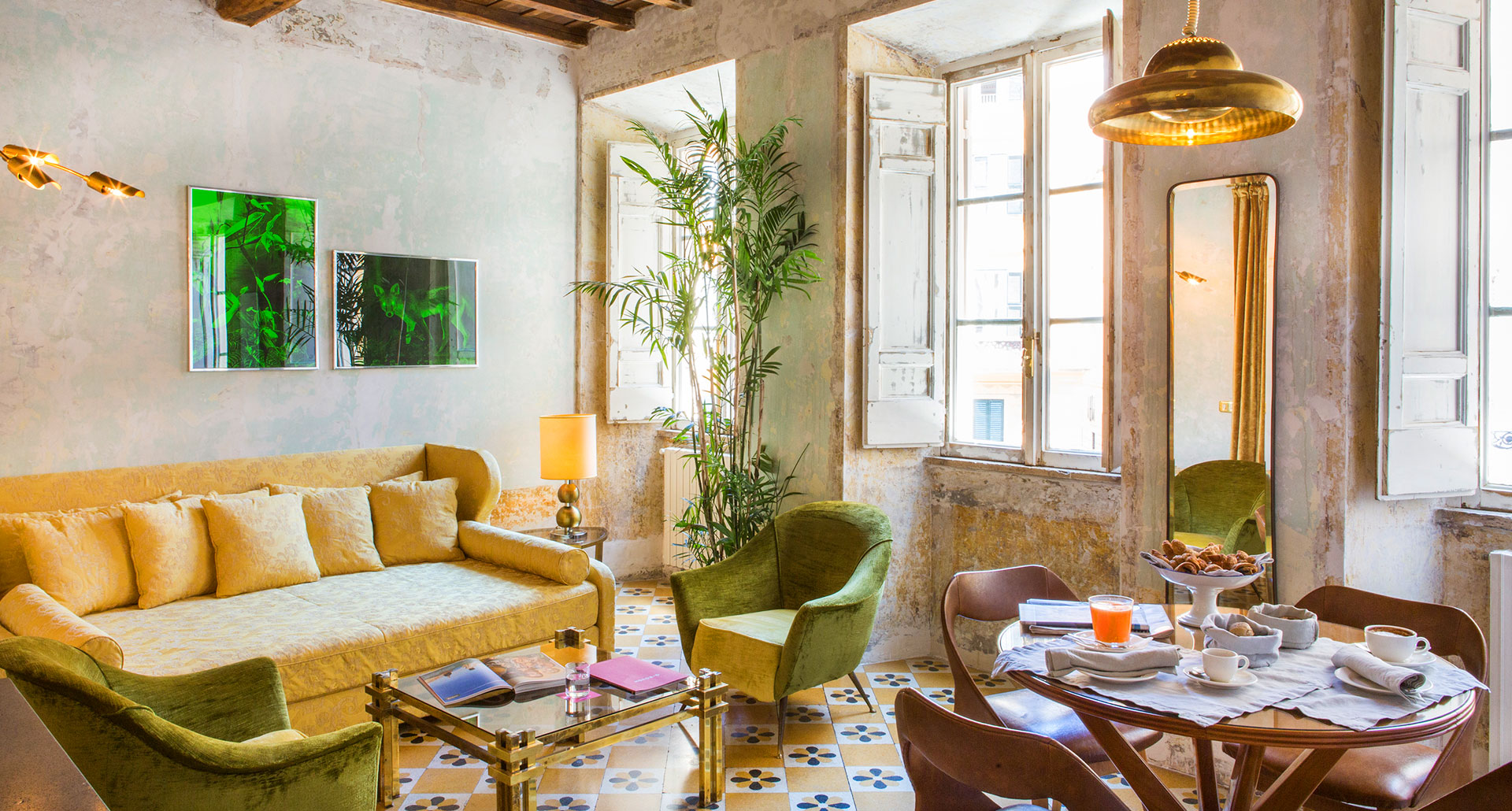
The weight of history is similarly lightened at Soprarno Suites in Florence, too — the hoteliers stocked a 16th-century villa with contemporary designer furniture and modern art — and at Rome’s G-Rough, a 17th-century villa with just a slight patina of decay, freshened up with design-museum-quality furniture from the Thirties, Forties and Fifties.

Maison Souquet - boutique hotel in ParisMaison Soquet | Paris, France

The Battery - boutique hotel in San FranciscoThe Battery | San Francisco, California

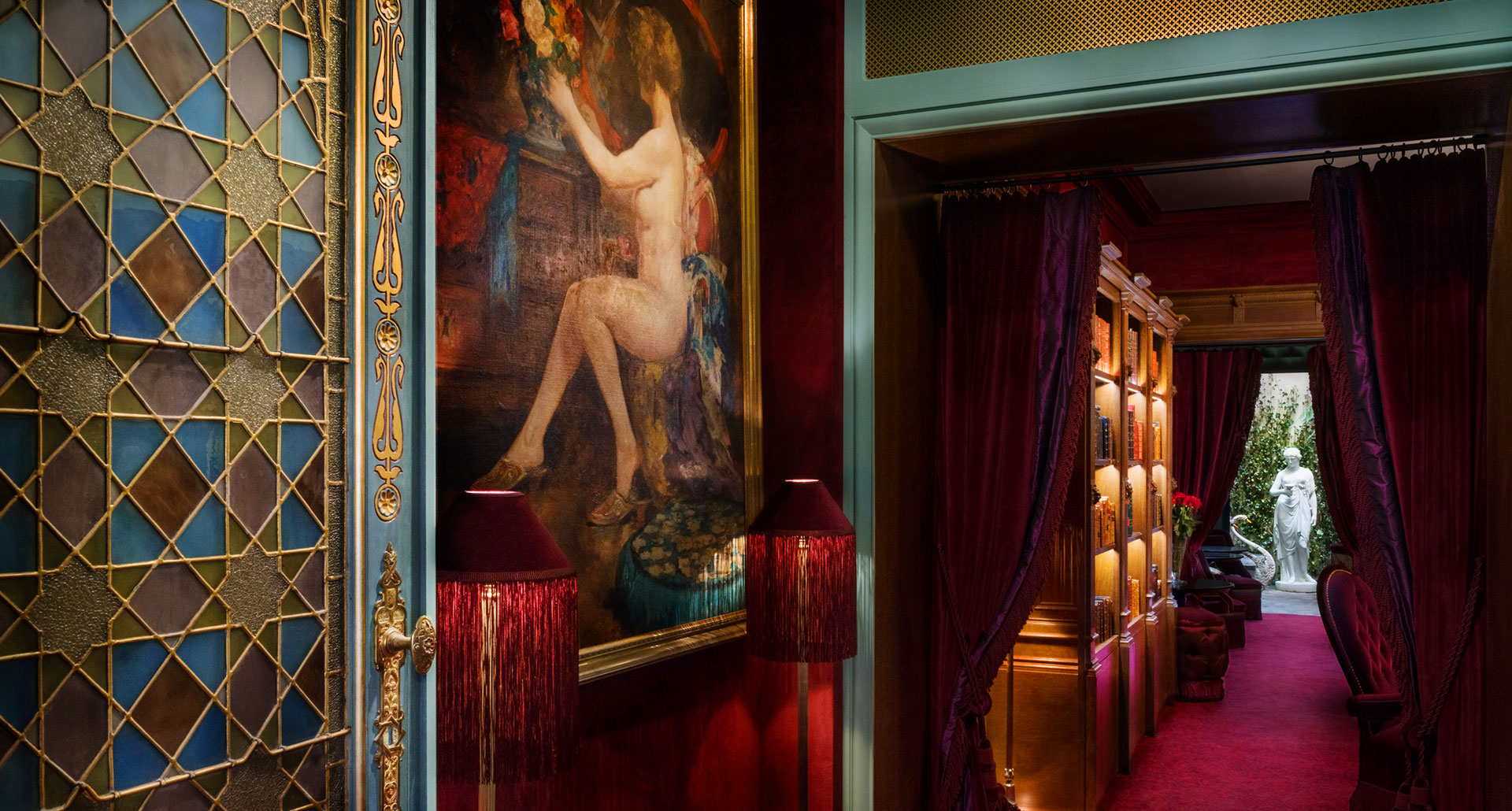
No less devoted to its history is the decadent Maison Soquet in Paris. The Pigalle district’s “pleasure houses” were more or less exactly what they sound like, and this one, even after a makeover by Jacques Garcia, leans all the way in to the overt sexiness of its concept. It’s not hard to imagine the aristocratic debauchery that once took place here.

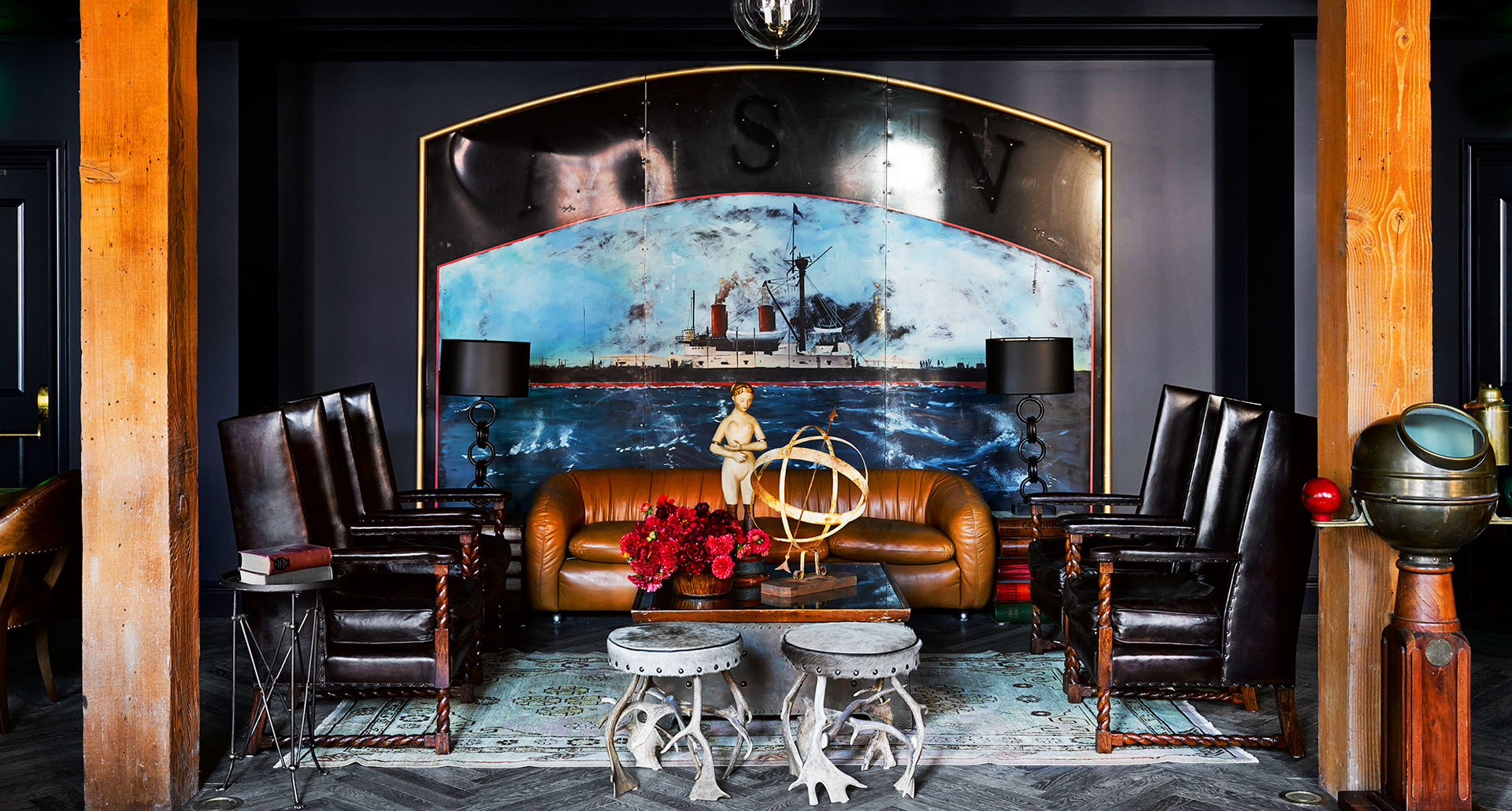
Though it’s not strictly a reconstruction of something historical, The Battery, in San Francisco, indulges in another somewhat nostalgic concept: the member’s club. Except this private hangout only requires you book a room to gain admission. And you’ll definitely want to — the vibe is dark, moody, and bohemian, with a sense of slightly old-fashioned decorum.

Dunton Hot SpringsDunton Hot Springs | Dolores, Colorado

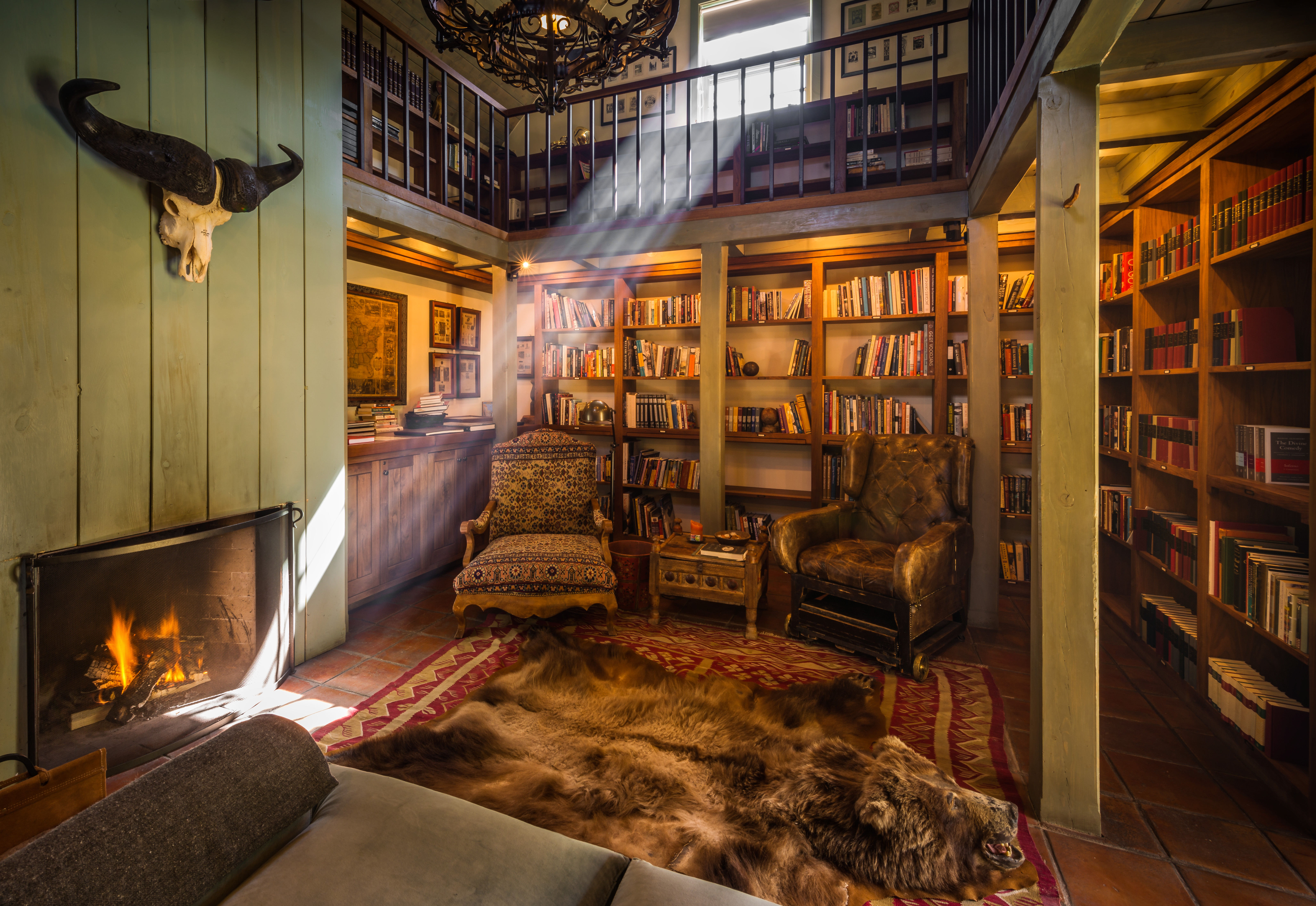
From here you’re guaranteed to be transported to the Old West. A one-time prospector’s camp, Dunton Hot Springs is a bit more upscale in its new incarnation — though it’s still possible to get some serious ghost-town vibes as you stroll from cabin to cabin, immersing yourself in the intensely cozy interiors.

Modernist StagecraftAround the middle of the last century, design took on an added significance; no longer just ornament, it was an expression of the possibility of a better future. Now modernist design feels like something from an alternate universe — and these six hotels give you the chance to live there.

The Maritime - boutique hotel in New YorkThe Maritime | New York City

Villa La Coste - boutique hotel in FranceVilla La Coste | Provence, France

Though the seafaring vibe is an obvious overtone at The Maritime Hotel, it’s perhaps more reminiscent of the slightly utopian era of mid-20th-century modernism, when the new forms were replacing the old and it felt as though just about anything might be possible.

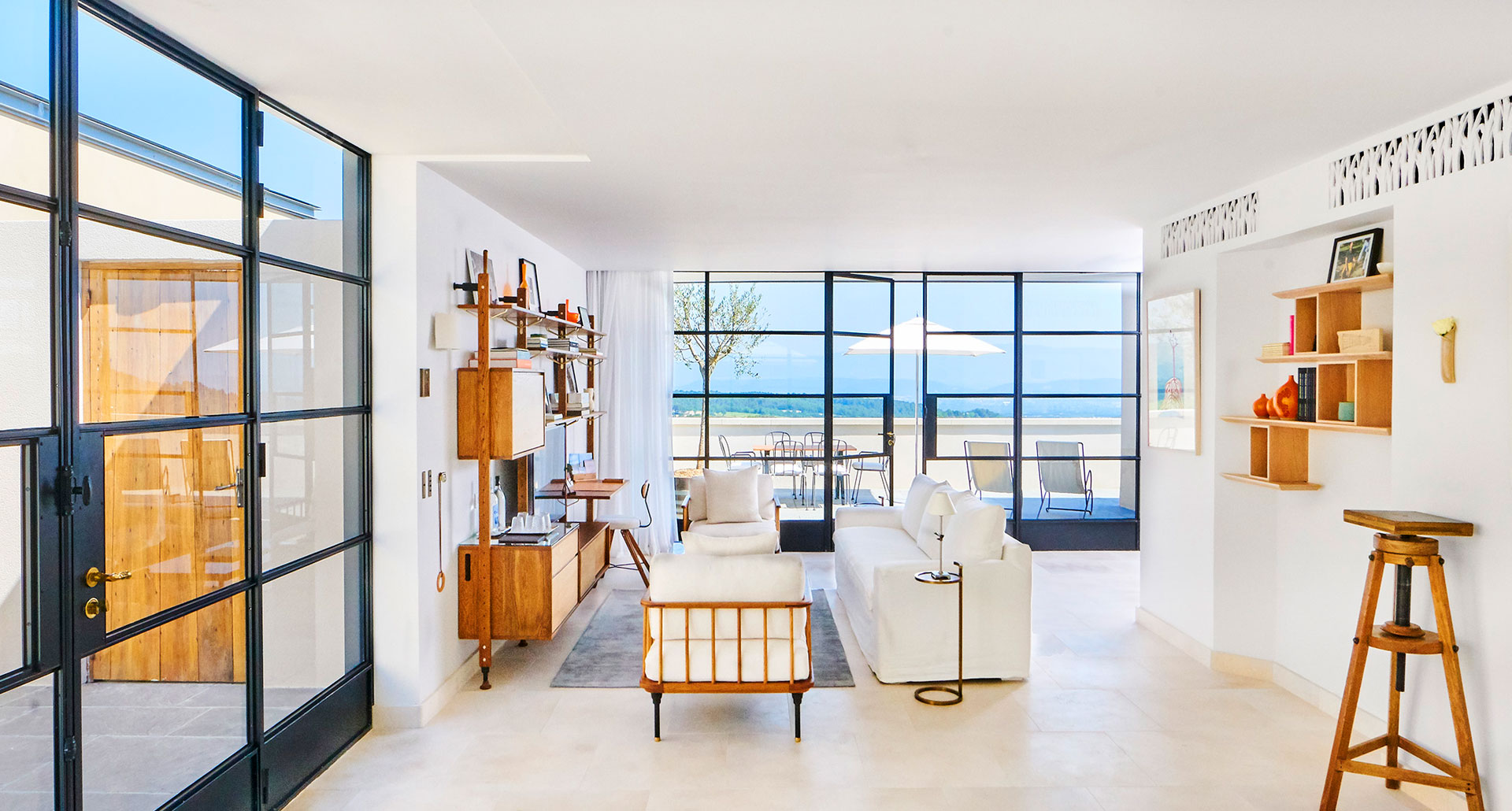
You’ll find a similar excitement at Villa La Coste, though it’s produced via very different means — if living on the grounds of a 17th-century Provençal farmhouse weren’t fantasy enough, you’ll find yourself surrounded by modernist furnishings and contemporary architecture by the likes of Frank Gehry, Oscar Niemeyer, and Tadao Ando.

Il Sereno - boutique hotel in Il Sereno | Lake Como, Italy

Katamama - boutique hotel in BaliKatamama | Seminyak, Bali

Rising up on the shores of Lake Como, where stately old villas are the luxury norm, Il Sereno sets itself apart with striking interiors by the Milan-based designer Patricia Urquiola, and features a mix of minimalist chic and futuristic whimsy.

Also playing against type is Katamama, in Bali, a beach hotel built almost entirely by local artisans, whose traditional craftsmanship sets the stage for a lovely collection of historically significant modernist furniture.

Downtown Mexico - boutique hotel in Mexico CityDowntown Mexico | Mexico City

South Congress Hotel - boutique hotel in AustinSouth Congress Hotel | Austin, Texas

Sometimes a place comes with so much history of its own, the best thing for a designer to do is to strike a contrasting note. The ancient stone walls at Downtown Mexico contrast as starkly as possible with its ultra-minimalist décor and furnishings, and in the space between those two extremes, something deeply memorable is created.

Meanwhile, the South Congress Hotel in Austin puts forth a version of Texas that’s almost futuristic, but no less warm or organic for it — a place where modernist design and architectural minimalism combine to reveal a more cosmopolitan version of life in the Lone Star State.

The Endless Influence of The Bauhaus Movement

(Credit: Schöning/Ullstein Bild/Getty)

Germany’s Bauhaus Archiv is presenting ‘greatest hits’ from the world’s biggest Bauhaus collection while it undergoes renovation (Credit: Schöning/Ullstein Bild/Getty)

Here in Berlin, Germany’s Bauhaus Archiv is throwing a farewell party. Next year this museum will close for renovation, and until then it’s presenting a display of ‘greatest hits’ from the world’s biggest Bauhaus collection. From furniture and posters to crockery and cutlery, these exquisite objects show how the Bauhaus school shaped our idea of good design.

For most of us, the word Bauhaus conjures up a certain type of modern architecture – that stark aesthetic that spawned a million tower blocks. But the Bauhaus was much more than an architectural style – it was a new way of thinking, and a century since it was born, at the end of World War One, its ideas still set the pattern for the way we live today.

The Bauhaus was founded in 1919 in the German city of Weimar, by a Prussian architect called Walter Gropius. No architecture was taught here. It was a sort of art school, but one like no other. Instead of drawing nudes and still lives, students here were taught to look at the world around them in an entirely different way.

There is no essential difference between the artist and the craftsman – Walter Gropius

Bauhaus means ‘building house’ but Gropius didn’t want to build only houses. He wanted to create a new breed of artists, who could turn their hands to anything. Traditional art schools were conservative and elitist. Technical colleges were dreary and conventional. Gropius broke down the barrier between fine art and applied arts.

(Credit: Keystone Pictures/Alamy)

The Bauhaus was founded in 1919 in the German city of Weimar by Prussian Walter Gropius, pictured right (Credit: Keystone Pictures/Alamy)

“There is no essential difference between the artist and the craftsman,” he said. Pupils learned pottery, printmaking, book-binding, and carpentry. They studied typography and advertising. They went back to basics, and began again with fresh eyes.

“An object is defined by its nature,” announced Gropius. “In order to design it to function properly, one must first of all study its nature. For it to serve its purpose perfectly, it must fulfil its function in a practical way.” Instead of sitting in stuffy classrooms listening to lectures, students were assigned to workshops. They learned on the job.

Nature of objects

The results were extraordinary. The Bauhaus produced an incredible array of artifacts, from angle poise lamps to chess sets, all distinguished by their functional and elegant construction. They were simple and useful, and their simplicity made them beautiful. In an era of ornamentation, their streamlined appearance was revolutionary. This was a new age of design.

(Credit: Gunter Lepkowski/Bauhaus Archiv/VG Bild-Kunst)

From chess sets to this ashtray by Marianne Brandt, the Bauhaus inspired many designs beyond architecture (Credit: Gunter Lepkowski/Bauhaus Archiv/VG Bild-Kunst)

“Bauhaus workshops are laboratories in which prototypes of products suitable for mass production are carefully developed and continually improved,” declared Gropius. “In these laboratories, the Bauhaus will train and educate a new type of worker for craft and industry, who has an equal command of both technology and form.”

An object is defined by its nature – Walter Gropius

Not everyone shared his vision. In local elections in 1924, the liberals who had supported the Bauhaus were defeated, and the new conservative government cut off the school’s funding. On 1 April 1925, exactly six years after it opened, the Bauhaus was forced to close.

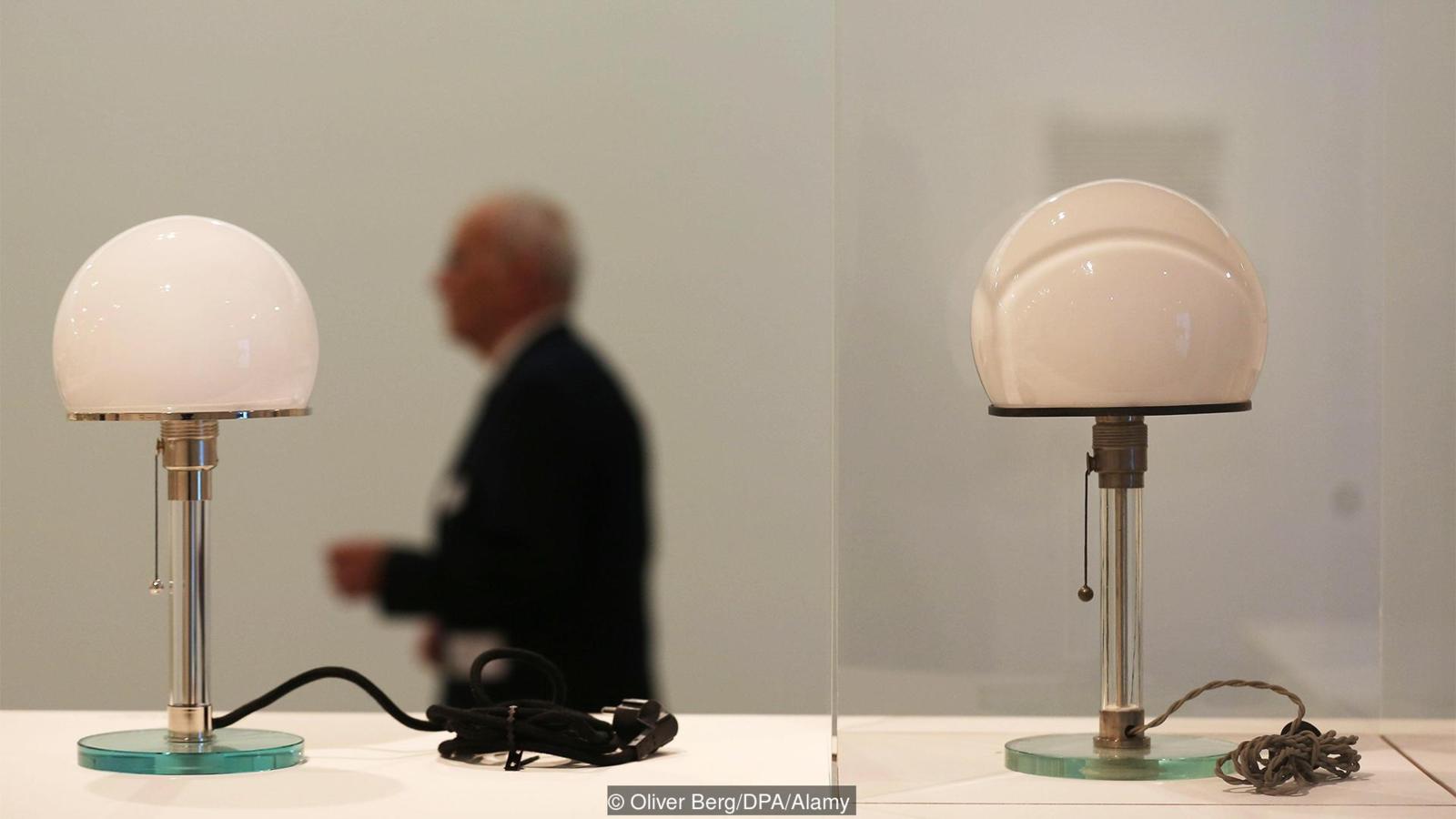
(Credit: Oliver Berg/DPA/Alamy)

An original desk lamp by Wilhelm Wagenfeld, an iconic Bauhaus design, sits next to a modern replica in Germany’s Bundeskunsthalle museum last year (Credit: Oliver Berg/DPA/Alamy)

Yet by now, the word about the Bauhaus had spread way beyond Weimar, and another German city, Dessau, gave it a new home. The local government commissioned a spectacular new building, designed by Gropius. It was here that the Bauhaus came of age.

A new home

In Dessau, Gropius started teaching architecture, but he added other genres too. There were workshops devoted to weaving, metalwork, photography and stage design. Gropius left in 1928 to resume his career as an architect, but under a new director, Hannes Meyer, the school went from strength to strength. Bauhaus wallpaper became the school’s bestselling product. At last, there was an art school which could actually pay its way.

(Credit: IAISI/Getty)

In Tel Aviv, the White City is a collection of over 4,000 buildings built from the 1930s in the Bauhaus style by German Jewish immigrants (Credit: IAISI/Getty)

But German politics was polarizing, and support for the Nazis was growing. In 1930 Dessau’s city council dismissed Meyer on account of his “communist tendencies,” and in 1931 the Nazis won the local elections, having promised to close the Bauhaus (they called it “cultural bolshevism”). Thankfully Gropius’s building survived and still stands there today, but the students and teachers were forced to flee. They found a new home in an old factory in Berlin, under their new director, the brilliant architect Mies van der Rohe, but in 1933 Hitler came to power and shut the Bauhaus down.

(Credit: Iain Masterton/Getty)

After the original Bauhaus was forced to close, the German city of Dessau gave it a new home, in the form of a building designed by Gropius (Credit: Iain Masterton/Getty)

A modern threat

Why did the Nazis feel so threatened by the Bauhaus? Why were they so scared of an art school that made modernist furniture and kitchenware? Because it represented a worldview which was the complete opposite of National Socialism.

Nazism was nostalgic and nationalistic. The Bauhaus was cosmopolitan and avant-garde. Its international ethos made a mockery of Hitler’s racist fantasies. In a way, the persecution of the Bauhaus by the Nazis was a (very) backhanded compliment. They hated everything it stood for, but they were fearful of its power.

(Credit: Fred Duval/WireImage)

A visitor looks at tables and chairs on display at the ‘Bauhaus Art as Life’ exhibition in London, 2012 (Credit: Fred Duval/WireImage)

Ironically, it was this persecution of the Bauhaus which ensured its survival. Had it been embraced by the Third Reich, it would have perished with it. Driven into exile, its philosophy spread around the globe. Gropius and Mies van der Rohe went to America, where they were joined by Bauhaus teachers such as Josef Albers, Herbert Bayer, Walter Peterhaus and Laszlo Moholy-Nagy. In 1937, Moholy-Nagy founded the ‘New Bauhaus’ in Chicago. In 1938, New York’s Museum of Modern Art staged a blockbuster Bauhaus exhibition. Bauhaus style was here to stay.

The true measure of its immense influence is how familiar it has become

But what exactly is Bauhaus style? Like all design classics, you know it when you see it, but Mies van der Rohe’s motto, ‘Less is More,’ is a good place to start (‘chuck out the chintz’ is just as good). Form follows function. Each element is stripped down to its bare essentials. Everything is fit for purpose. The result is austere, but strangely pleasing on the eye.

(Credit: Robert Oliver/ArcaidImages)

The influence of the Bauhaus is ubiquitous even today, as is evident in a modern-day apartment in London’s Barbican Estate (Credit: Robert Oliver/ArcaidImages)

Yet the true measure of its immense influence is how familiar it has become. Wandering around the Bauhaus Archiv (a futuristic building designed by Gropius, and eventually built after his death) the exhibits here seem so contemporary. It’s only when you read the labels that you realise they are nearly a hundred years old. Once a radical revolt against the status quo, Bauhaus style has become the new normal. And by becoming ubiquitous, it has disappeared – into the décor of our daily lives.

Bauhaus in Motion is at the Bauhaus Archiv, Berlin until 8 January 2018. New Bauhaus Chicago: Experiment Photography is at the Bauhaus Archiv from 15 November 2017 to 5 March 2018.

This article was written by William Cook. It originally appeared on www.bbc.com. All rights reserved.

 

SaveSave

Designer’s Top Picks from The Salon Art + Design

The Salon Art + Design 2017

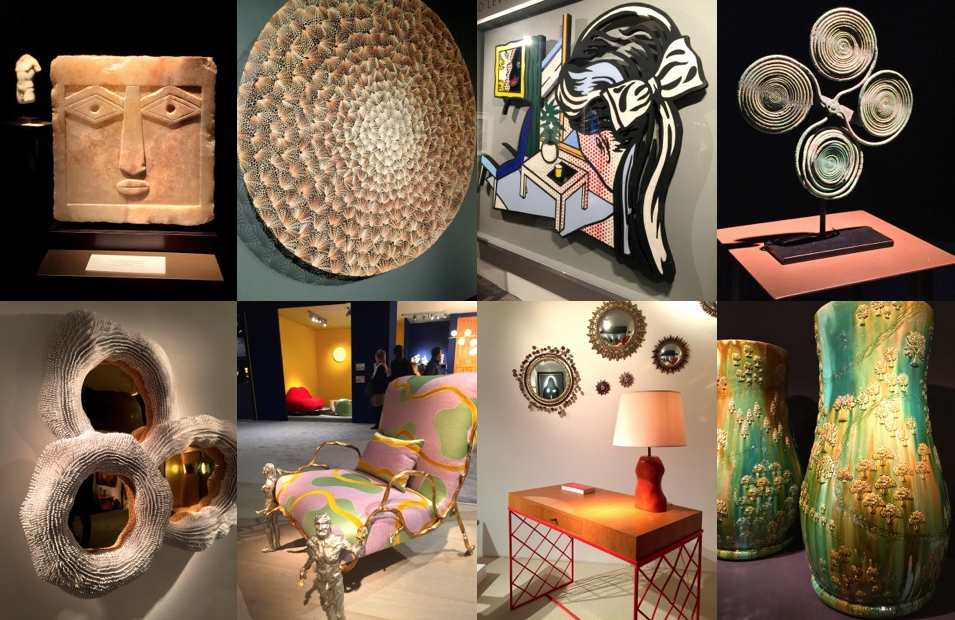
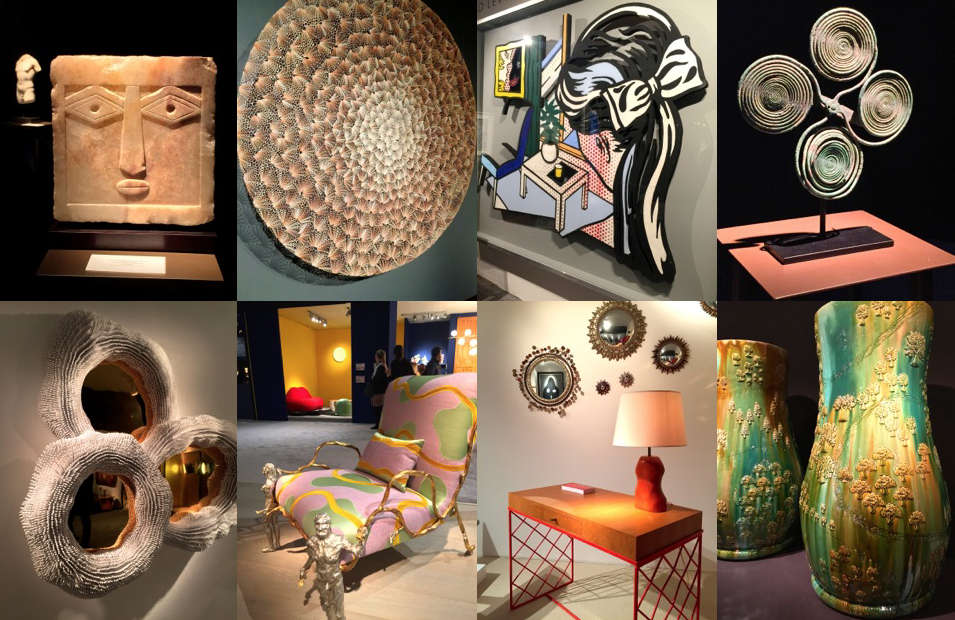
Luxury pillow designer Cynthia Murphy’s Top Picks from the opening night preview of the annual Salon Art + Design where she enjoyed an amazing display of the crème de la crème furniture and fine arts from well over 50 galleries that hailed from 11 countries. Above is a sneak peek of some of her top picks from the much talked about furniture fair from the beautiful Park Avenue Armory.

The Salon Art + Design Fair 2017

Fun Facts About The Designer: Cynthia Murphy’s eye for beauty, and her appreciation for how different cultures develop their stylistic approach and techniques, has driven her to collect textiles on a global basis.  Within each piece, she recognizes social influences— fashion, ritual, symbolism, status, honor— that go beyond aesthetics and deepen the cultural connection.  This extra dimension beyond beauty fuels Cynthia’s true passion for collecting. She first selected rich, intricate, 18th and 19th-century embroideries and brocades from France, England, and Italy.  Then, as her curiosity was piqued, she added Asian needlework, Turkish weaving, and Persian silks.  Cynthia’s special interest in Art Deco and Arts & Crafts design expanded the scope of her collection.

SaveSave

SaveSave

Public, “The People’s Hotel” Opens its doors in The Lower East Side

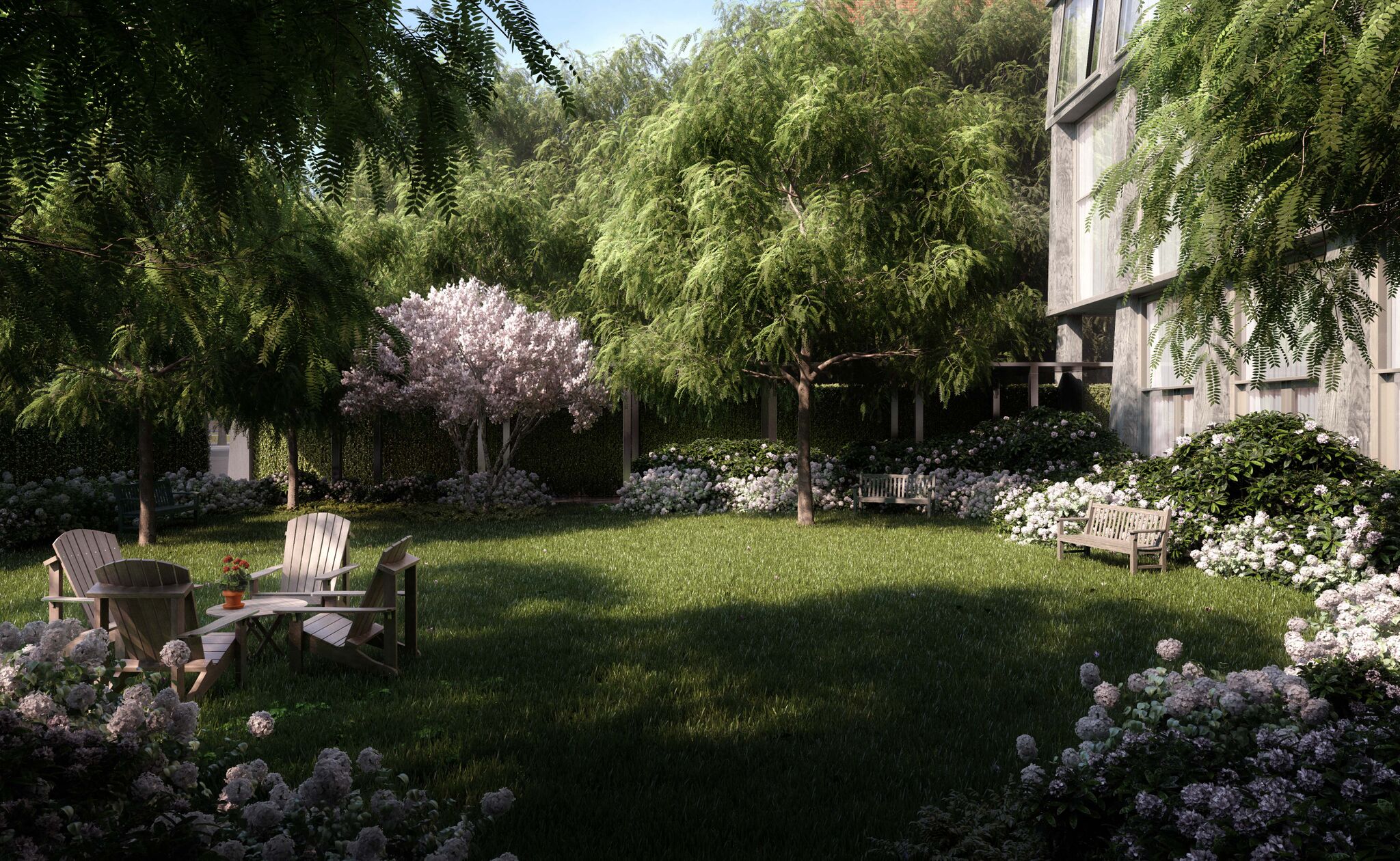
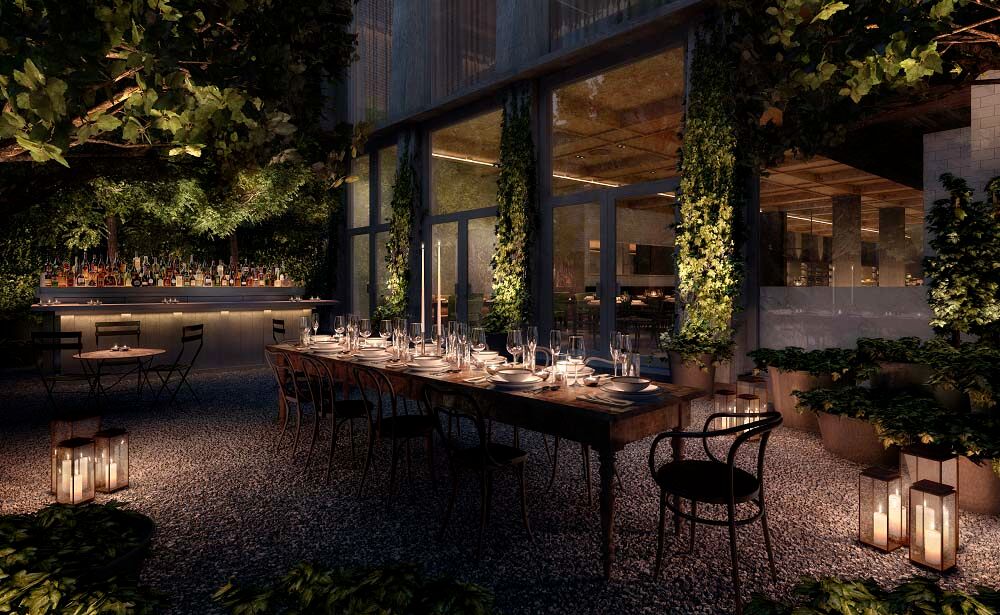
A lush and inviting courtyard at Public. Ian Schrager’s Transformative Hotel in The Lower East Side

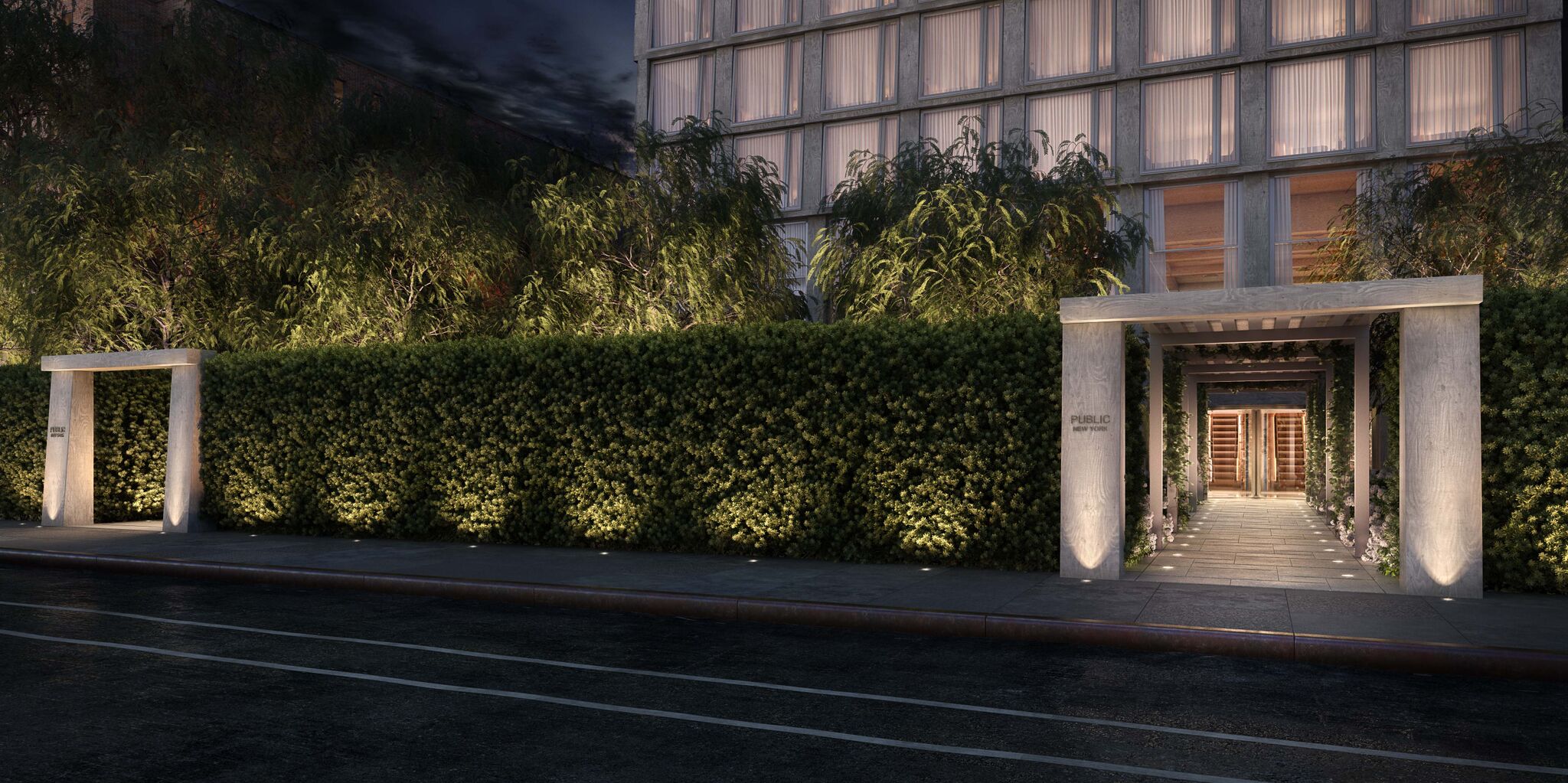
Luxury for the masses. That’s what PUBLIC (with its $150 per night entry price point on rooms) the new hotel by the man who pioneered the boutique hotel concept, Ian Schragger plans to bring to the trendy lower east side on June 7, 2017. PUBLIC was designed by award-winning architects Herzog & de Meuron, and it boasts a restaurant and grab-and-go marketplace helmed by Jean-Georges Vongerichten. Guests will no doubt enjoy their experiences in the “LUXURY FOR ALL” hotel the moment they arrive in the lobby which serves as a “community” space, encouraging work and social activities, a modular, multimedia venue that can serve as a nightclub, art gallery, cultural center, performance space, screening room or intimate concert venue, a nightclub and terrace, and a serene outdoor garden designed by Madison Cox.

Public Arts, the first new idea since Studio 54 forty years ago and the embodiment of a nighttime renaissance, is another new and creative offering at the hotel. It’s a progressive, avant-garde multimedia performance space like no other, that will be home to the most cutting-edge cultural programming including film screenings, theatrical and dance productions, intimate musical performances, art exhibitions, lectures, talks, readings, product launches, comedy and amateur nights, and even hot sweaty dancing!

“PUBLIC’s fundamental premise is LUXURY FOR ALL.  It is built on four key pillars: service, style, unique experience, and value. However, it’s not luxury as we traditionally know it, but luxury reflecting a new definition.  Luxury is no longer about things or how much something costs.  It is not a business classification, a price point or based on scarcity. Luxury is now about experiences and how something makes you feel.  Luxury is being democratized and is now for everyone”.

https://youtu.be/L8YDQ3mtA2c

“I wanted to create a hotel for my generation, not my parents’, and one that reflected my tastes and sensibilities as well as popular culture at the time. I was responding to cultural shifts that were emerging.  I see the exact same opportunity now.  That is the reason for PUBLIC,” says Ian Schrager.

“Times change. People change. Culture changes. Luxury as we once knew it has changed. Hotels have not. A new way of living requires a new kind of hotel.  There has not been a new idea in the lifestyle hotel space since Ian Schrager’s Morgans, Royalton and Paramount hotels over 25 years ago.  Every hotel since then has been derivative of those. The time is right, in this new milieu, for a disruption in hospitality as there clearly is a dislocation in the market.  It is the same type of dislocation and void that led Schrager to conceptualize Morgans back in 1982 which created a cultural revolution and changed the industry”.

The 3 bars, Diego, The Roof and Lobby Bar each have their own unique vibe and personality so depending on the time, you might end up hitting all three on the same night or just one, depending on your mood.  Lushly landscaped gardens, multiple communal workspaces, and private event rooms, both indoor and outdoor atop the building with jaw-dropping 360-degree unobstructed views of the city, the spaces provide the ultimate in socializing, entertaining, working and even just people watching.

“Service and comfort are at the heart of PUBLIC and were completely rethought for this new brand response to new desires and needs.  PUBLIC captures a vast array of today’s UNIVERSALLY APPEALING SERVICES with great precision while doing away with those that are obsolete and superfluous”.

Hong Kong’s Most Stylish Hotel Gets An Upgrade

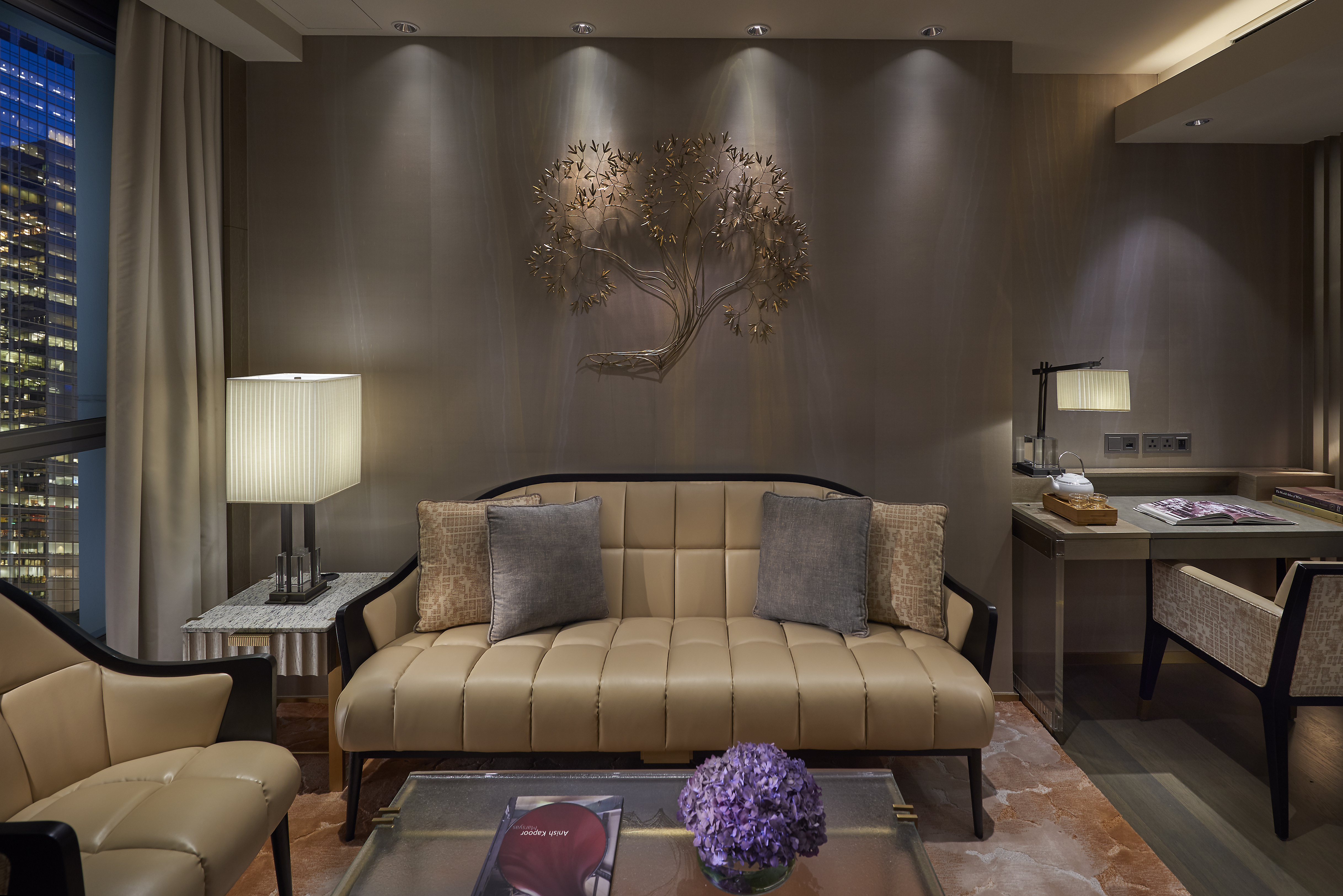
The Landmark Mandarin Oriental, Hong Kong Apartment Suite designed by award-winning architect Joyce Wang

Unlike the overly photoshopped interiors splashed across those shelter magazines (which we all love, right?), the images of The Landmark Oriental Hong Kong actually live up to the hype. The luxury hotel, known for its sophisticated, comfortable and spacious living areas, recently unveiled the first of two new suites designed by Hong Kong famed architect, Joyce Wang. Ms. Wang’s ‘Apartment Suite’ is truly a home-away-from-home located on the hotel’s top floor.

A second super-entertainment suite will be the hotel’s largest, and is scheduled for completion in mid-2017

The suite’s stylish entrance leads to an open plan living area filled with furnishings custom-designed in a palette of gold, caramel and royal blue, and with natural wood floors. Specially commissioned artworks complete the subtle yet luxurious experience.

The living room suite designed by international “nomad” architect, Joyce Wang

“The Apartment Suite is the perfect accommodation for style-conscious travellers who can enjoy all the comforts of a home-away-from-home in the heart of vibrant Hong Kong,” says Torsten van Dullemen, the hotel’s General Manager.

Designed to impress, the dining space of The Landmark Oriental Hong Kong is equipped with a chic cocktail bar and pantry for showcasing gourmet treats. Giving the dining area its wow factor is a bespoke perforated brass chandelier paired with a 6-seat crackled gesso-finish dining table that imitates the natural beauty of bark.

The NEW Gold Standard for The Home

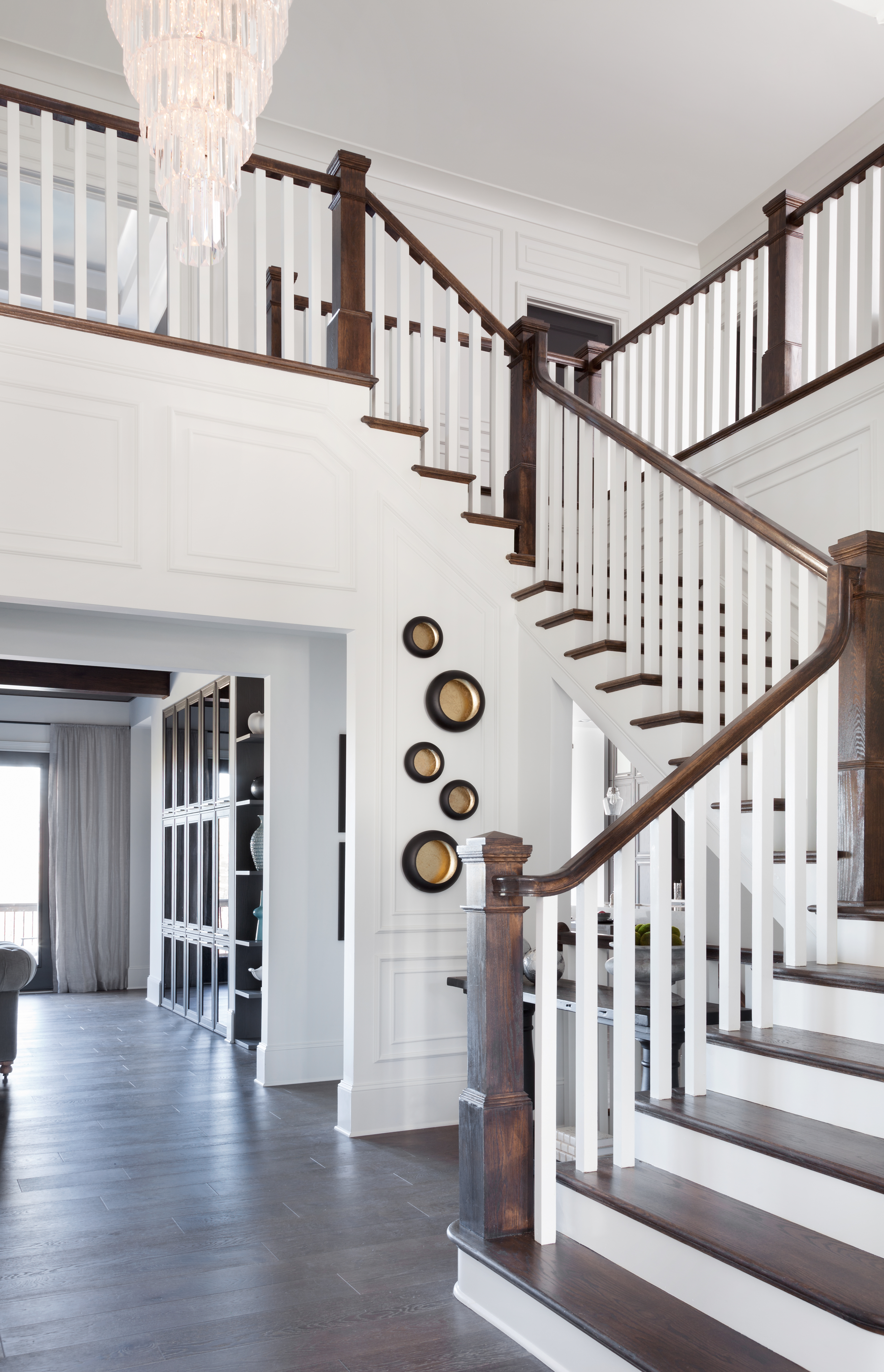
Ashton Woods’ Oxford Foyer: “From the moment you walk into the foyer of the Oxford model, you are greeted with luxurious details which express classic elegance,” said Dwayne Hill, President of the Ashton Woods Atlanta Division. “With rich wood ceilings and coffered beams, the interior design is as breathtaking as it is accommodating.”

The Gold Standard

The award season is in full swing – both in the entertainment, and design industry. On Wednesday, January 11th, at the Hyatt Regency in Orlando, Florida,  Ashton Woods, one of the nation’s largest private homebuilders, took home six Gold and five Silver Awards at The Nationals ceremony. The National Association of Home Builders recognizes Ashton Woods with eleven total awards for its innovation in home design.

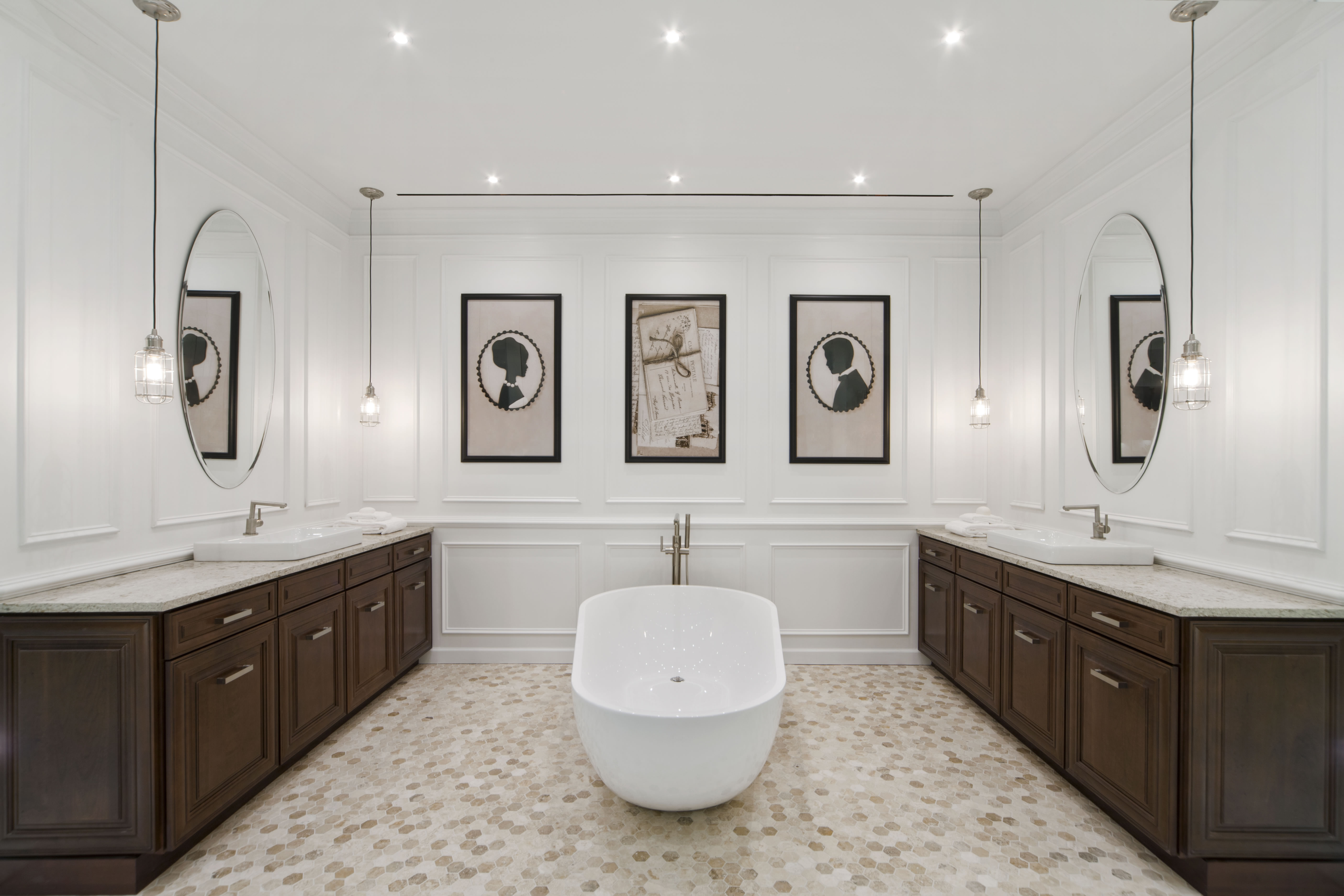
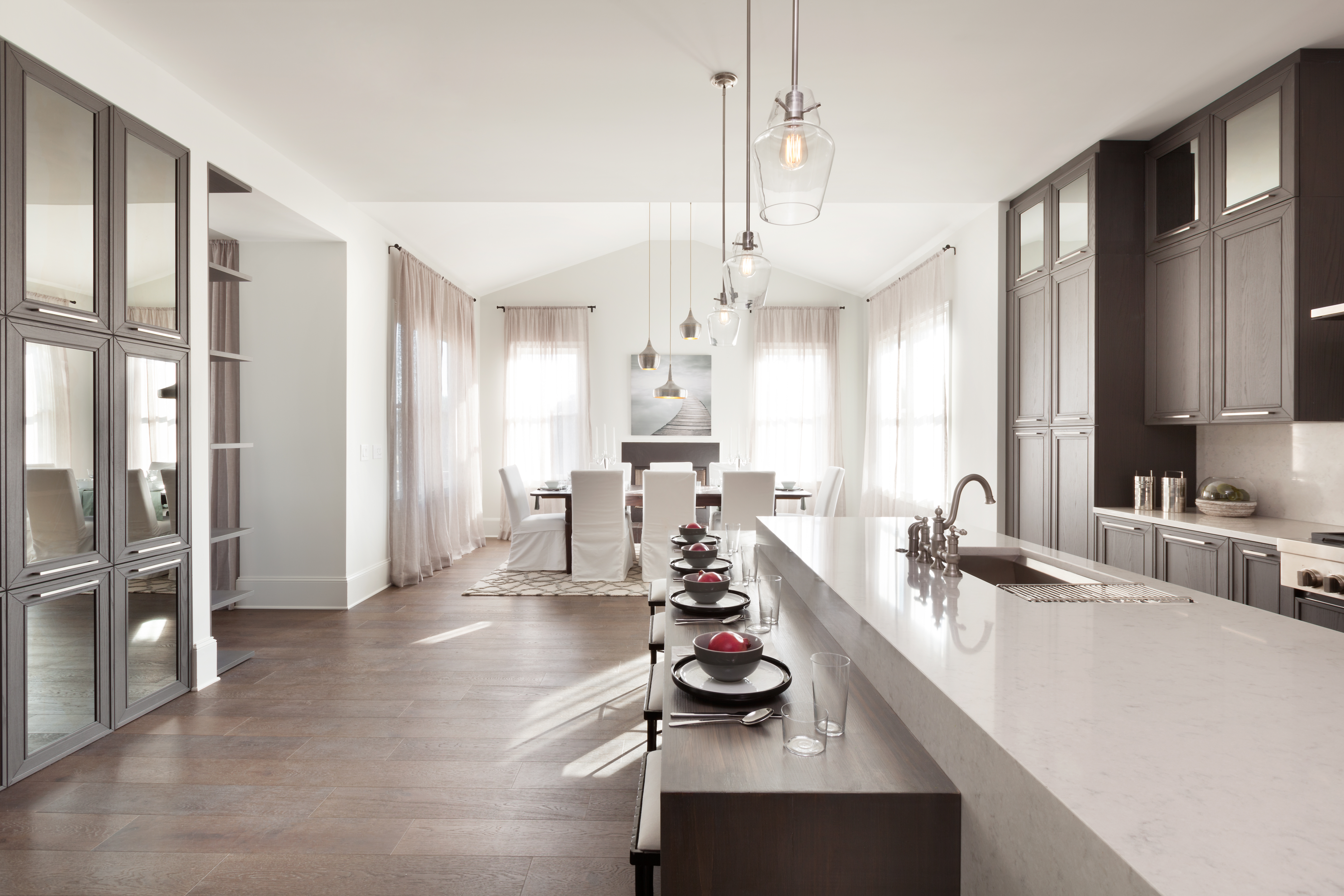
Award winning Atlanta Studio bathroom by Ashton Woods

Ashton Woods received the high honor of the Gold Award by The National Association of Home Builders in the category of Best Design Center for The Studio by Ashton Woods in Atlanta. The Studio is a space where homeowners collaborate with Ashton Woods’ professional design team to share the vision and inspiration that will make their homes unique and special.

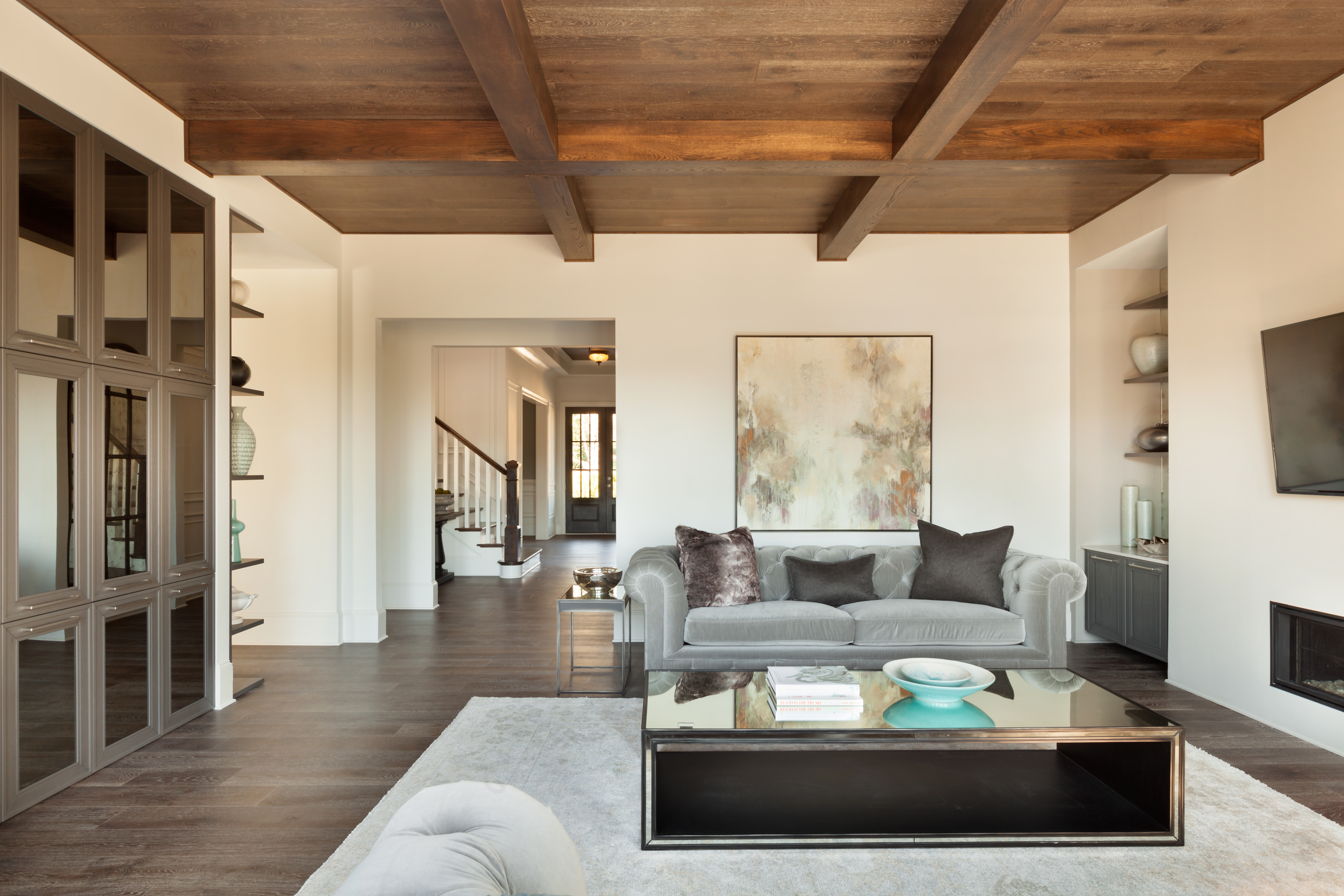
The Oxford Family Room: The Ashton Woods Hanover model home at Amberly Estates in Raleigh, North Carolina took home Gold for Best Interior Merchandising of a Model 3,501 to 4,000 square feet. The Hanover model features traditional details with clean, elegant furniture to capture transitional aesthetics.
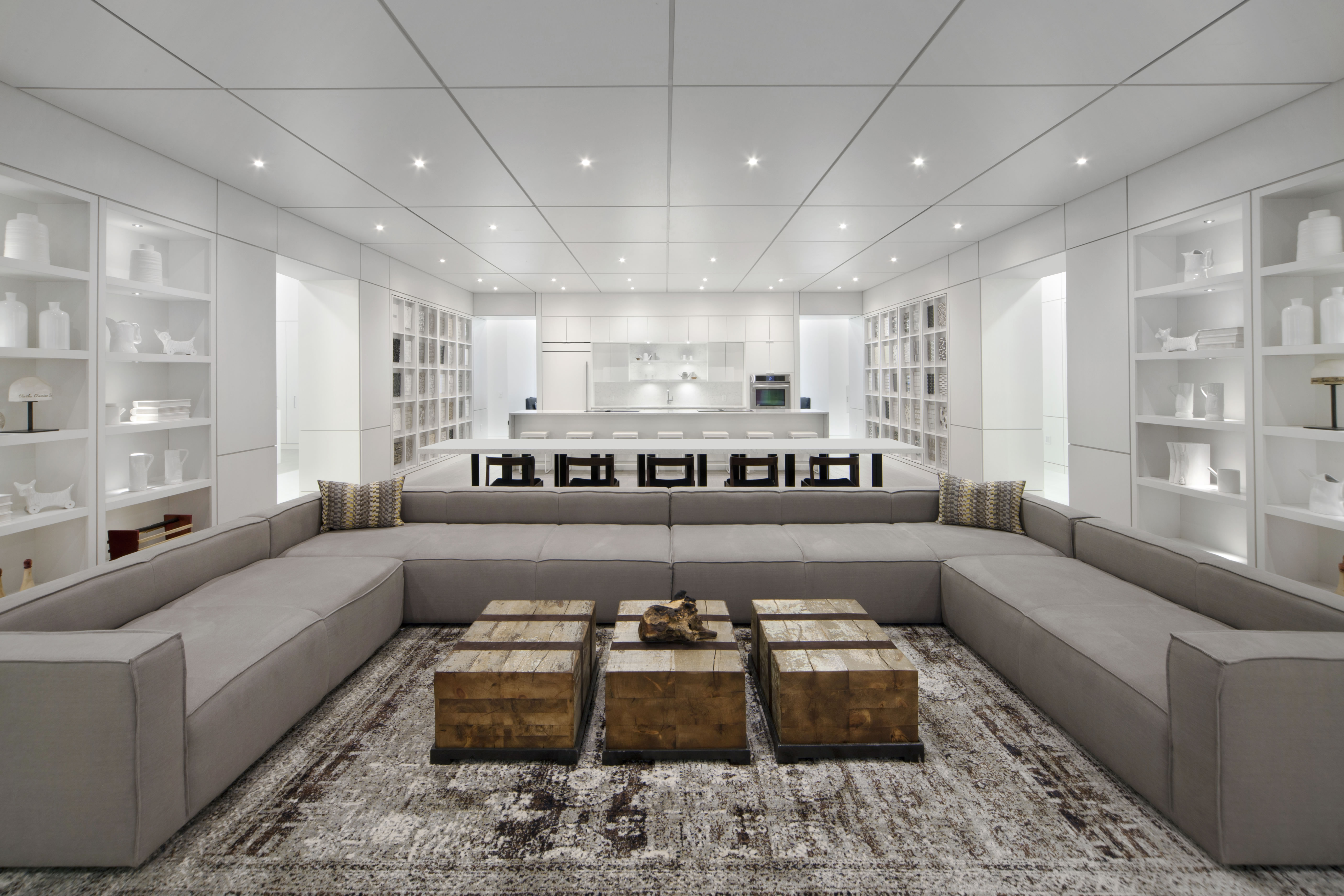
The Atlanta Studio Living Room

“We are honored to receive recognition for The Studio by Ashton Woods in Atlanta,” said Leigh Spicher, Director of Design Studios at Ashton Woods. “The Studio is a beautifully illuminated space where design-forward products are displayed like art. You won’t find the typical design center “noise” and clutter in this open and comfortable space where homebuyers can explore the personalized touches that transform a house into a home.”

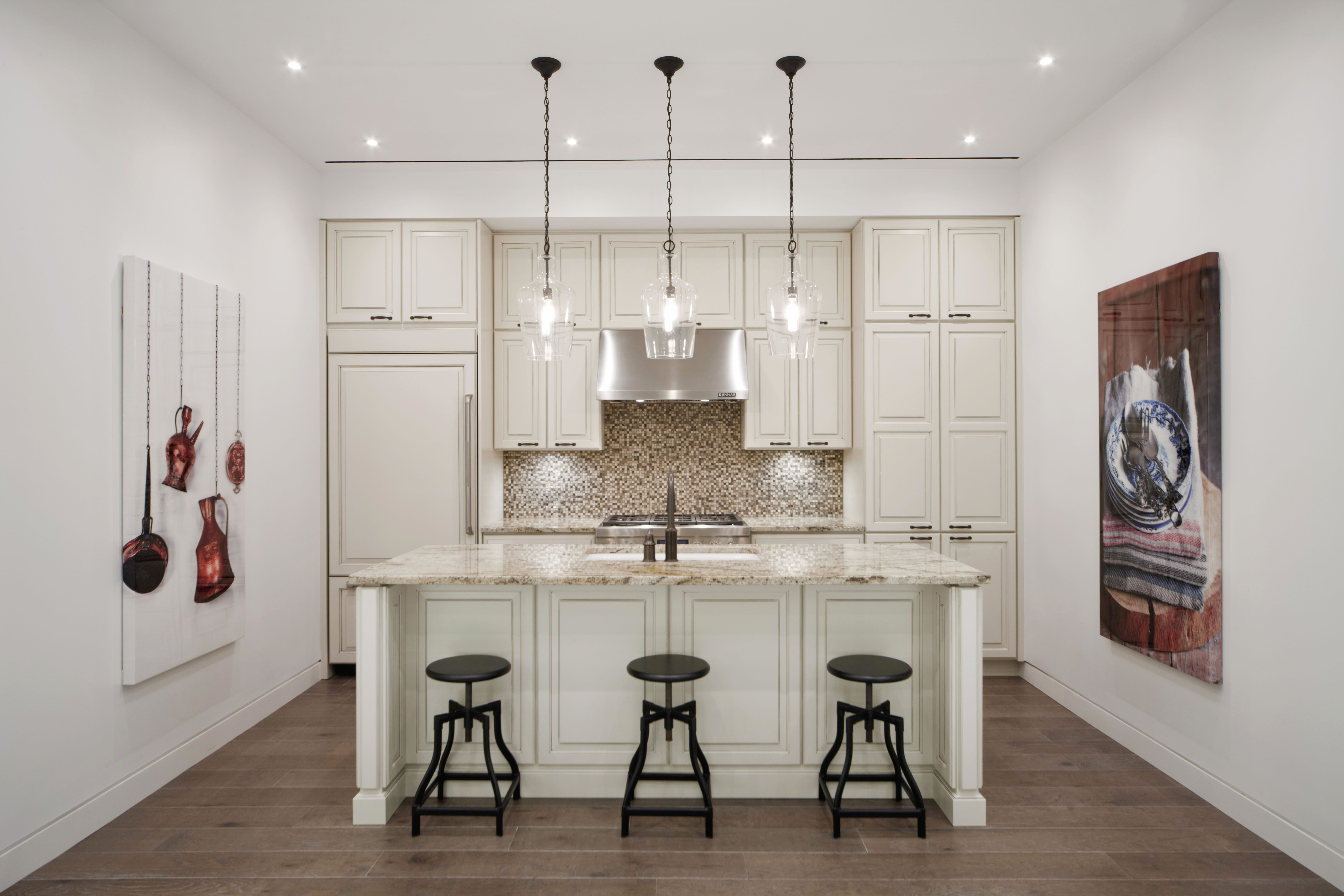
The Oxford Model Kitchen: In the category of Best Interior Merchandising of a Model 2,000 to 2,499 square feet, the Chestnut model home in Limehouse Village in Charleston, South Carolina won the Gold Award from The National Association of Home Builders.
Ashton Woods Takes Home Gold at The Nationals 2017 for their Atlanta Studio Kitchen